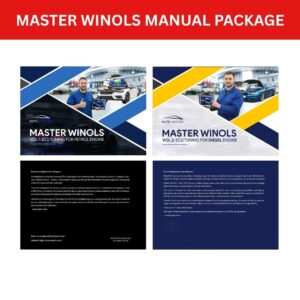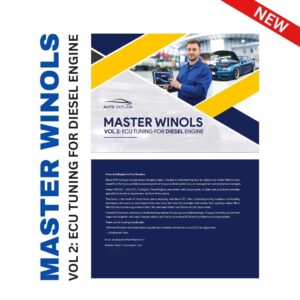
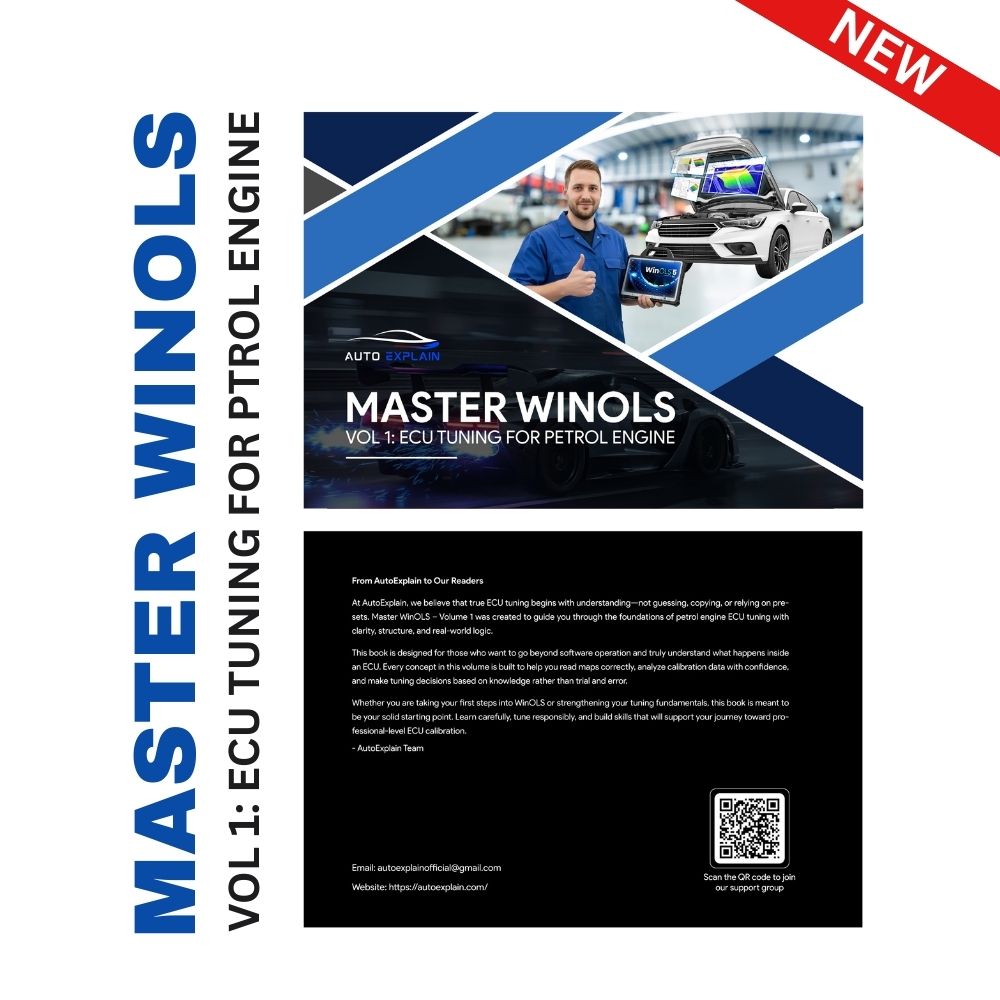
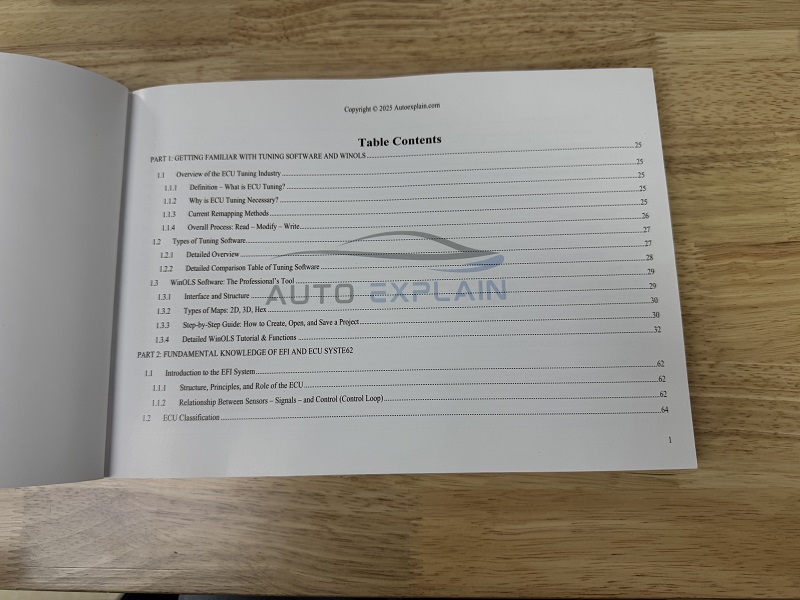
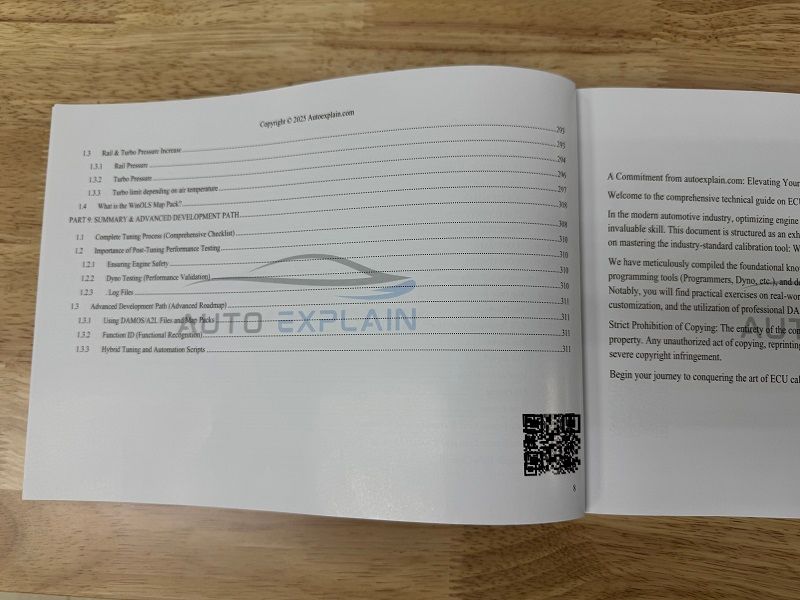
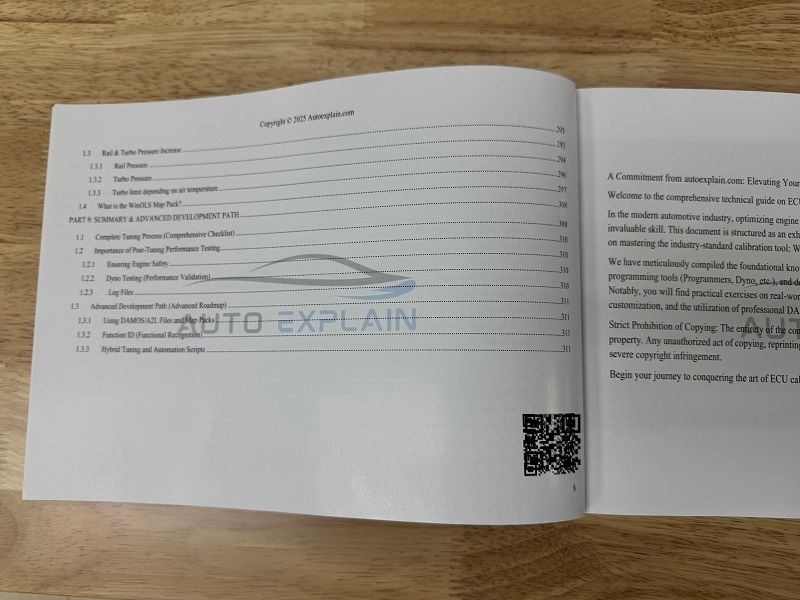
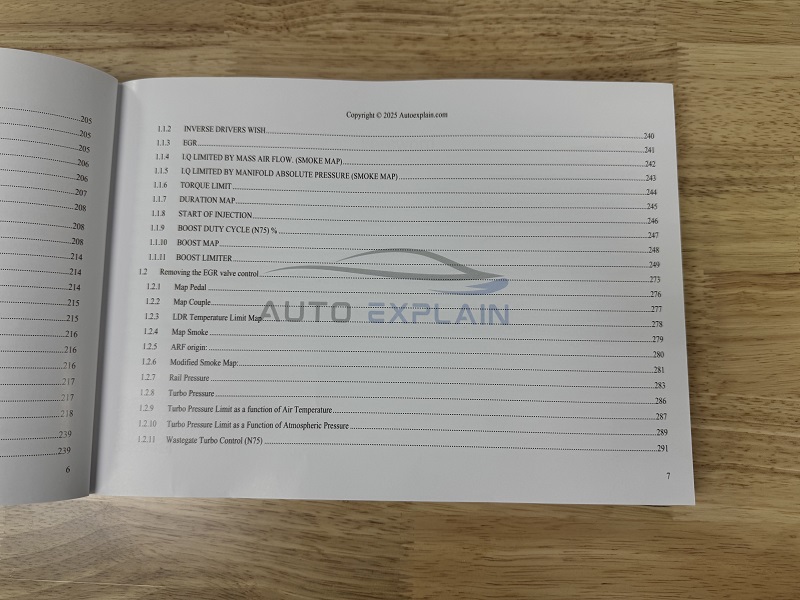
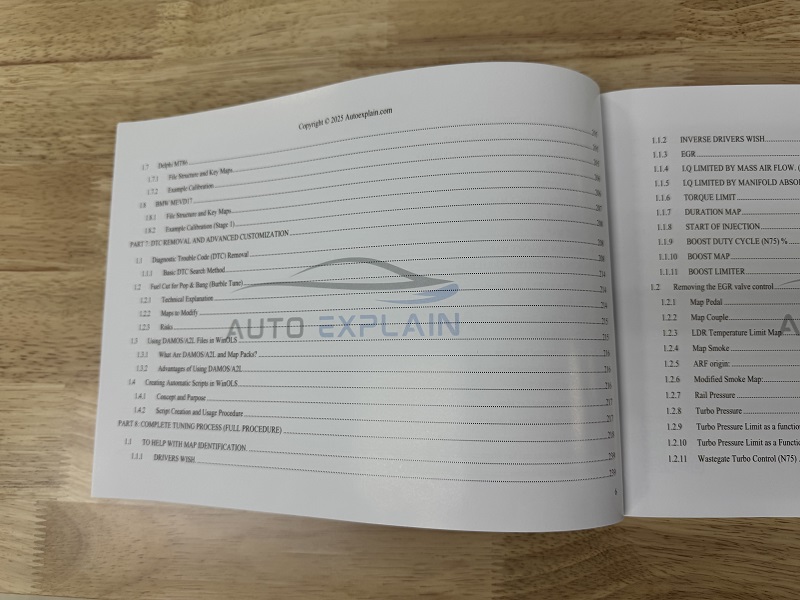
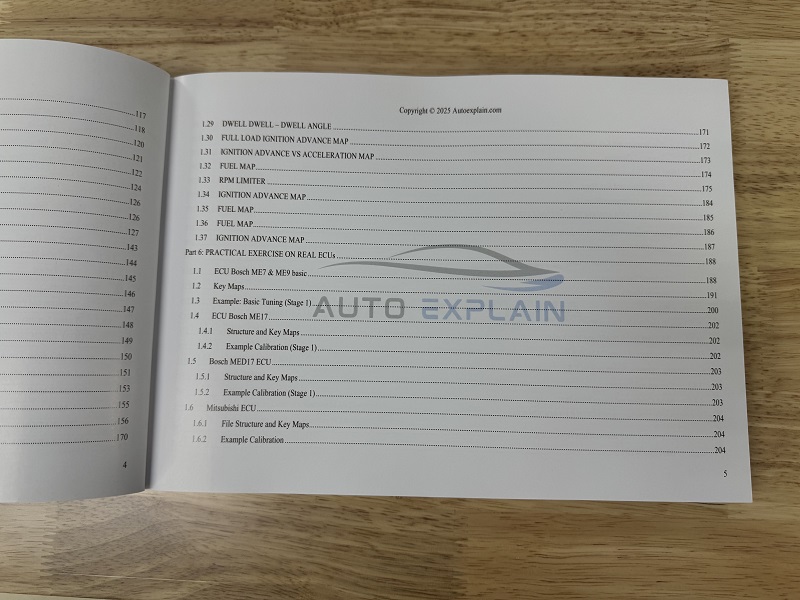
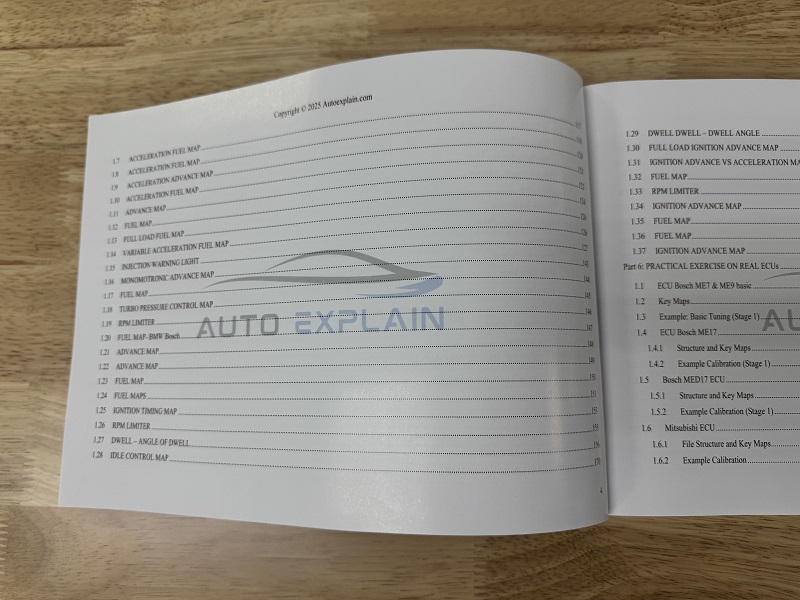
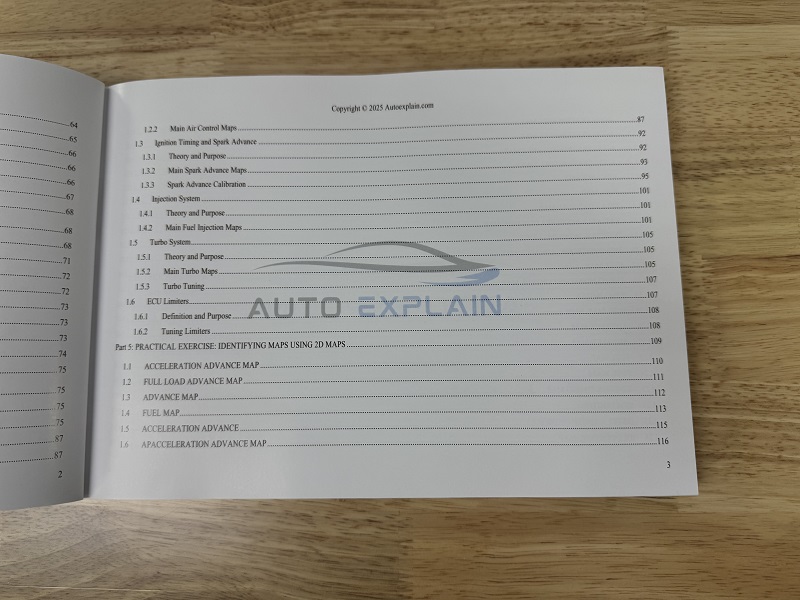
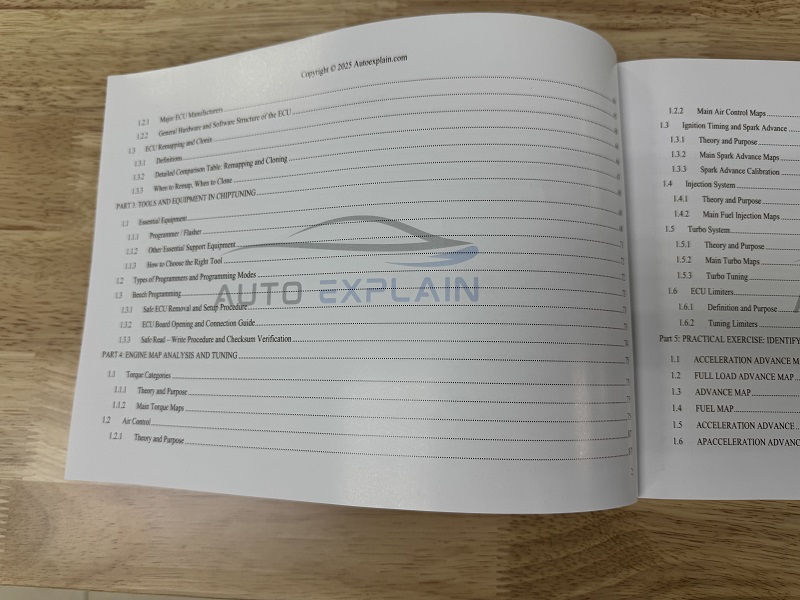
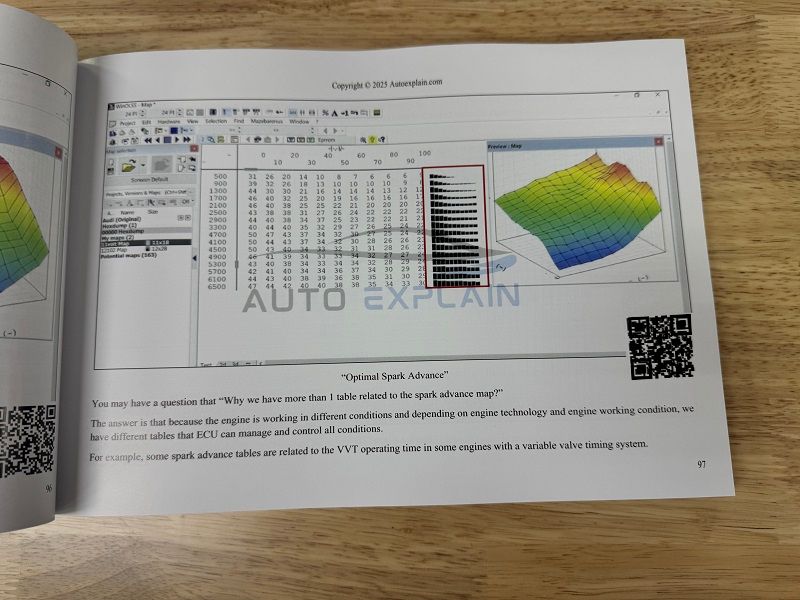
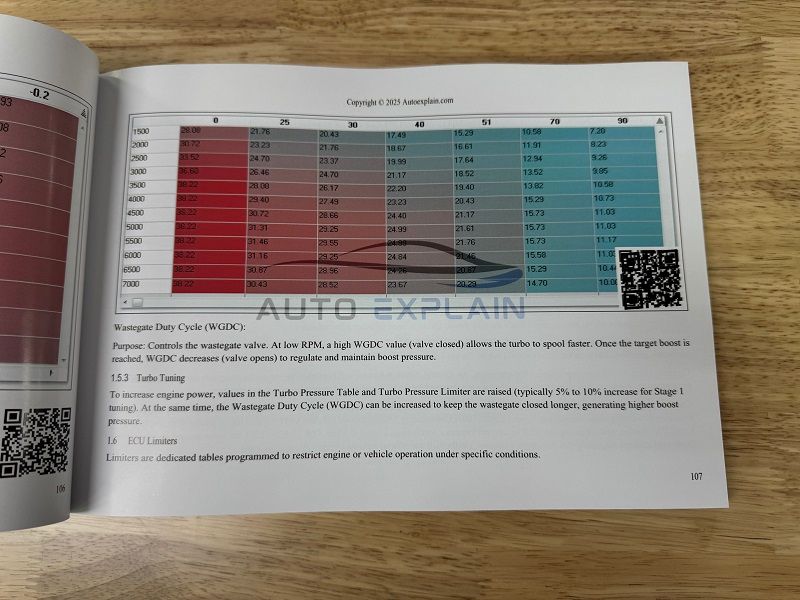
MASTER WINOLS Vol.1: ECU Tuning for Petrol Engine is a comprehensive technical guide designed to build a solid foundation in ECU tuning for petrol engines, with a strong focus on WinOLS as the core tuning platform.
This book takes readers from industry fundamentals to real-world ECU calibration, covering the complete tuning workflow—from understanding ECU systems and EFI principles, to map analysis, modification, validation, and advanced customization.
Rather than providing isolated tuning tips, this volume explains how and why engine maps work, how to identify them correctly in WinOLS, and how to modify them safely and effectively for performance tuning (Stage 1). The content is structured progressively, making it suitable for beginners to intermediate tuners who want to move beyond basic remapping and develop real tuning competence.
Through detailed theory, practical exercises, real ECU case studies (Bosch, BMW, Mitsubishi, Delphi), and advanced topics such as DTC removal, DAMOS/A2L usage, scripting, and full tuning procedures, this book delivers a complete learning path for professional petrol ECU tuning.
This is Vol.1, focusing on core concepts, petrol engine logic, and WinOLS mastery, forming the essential groundwork for advanced tuning development in future volumes. This book was written by technicians at AutoExplain. Check out the details of this book in the article below!
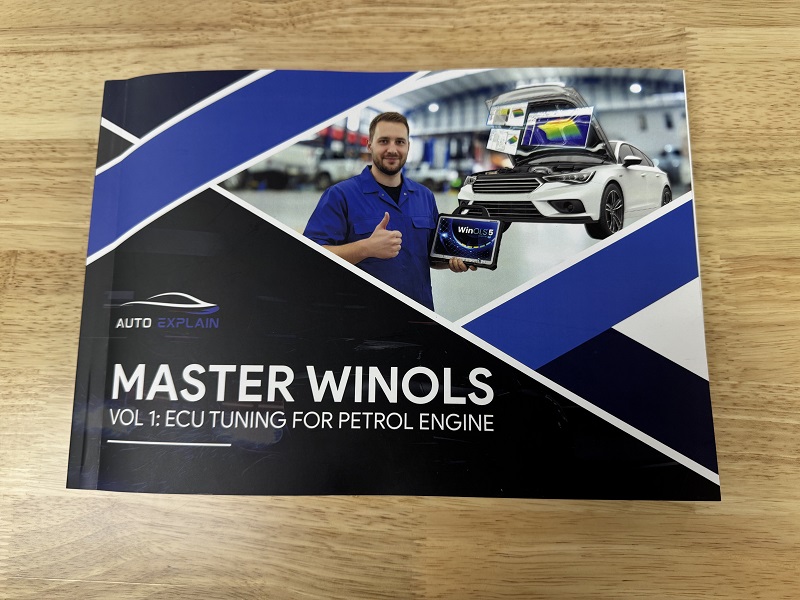
By studying MASTER WINOLS Vol.1, you will gain a structured and practical understanding of ECU tuning for petrol engines using WinOLS, from foundational concepts to real-world calibration workflows.
After completing this book, you will be able to:
This book is designed not just to teach how to use WinOLS, but to help you think like a tuner, understand calibration logic, and build skills that can be applied across different ECU platforms.
This section provides a solid foundation for anyone entering the world of ECU tuning, with a clear focus on petrol engine calibration and professional WinOLS usage.
You will begin with an overview of the ECU tuning industry, including how modern tuning has evolved and where WinOLS fits within professional workflows.
The book then explains core ECU tuning concepts, common remapping methods, and the complete tuning process—from reading ECU data, modifying calibration maps, to safely writing files back to the ECU.
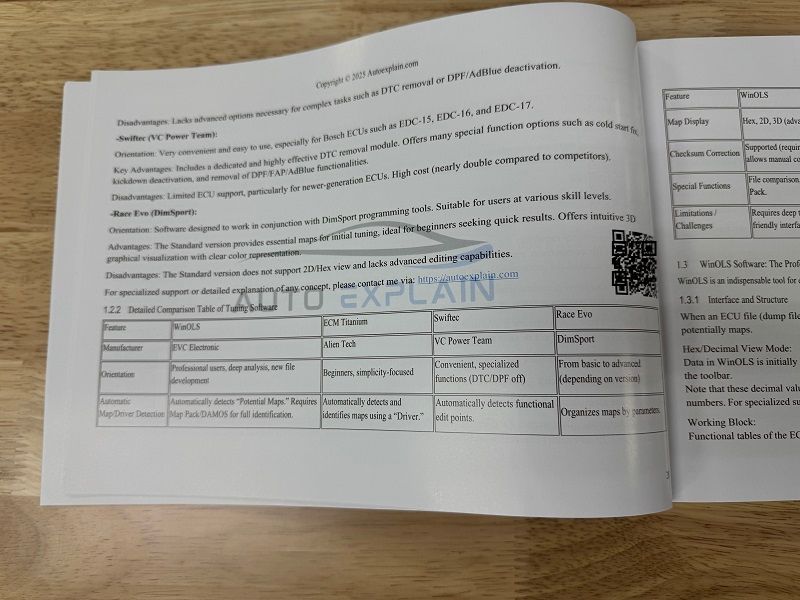
Next, you’ll explore different types of tuning software, with a structured comparison highlighting strengths, limitations, and real-world use cases, helping you understand why WinOLS is considered the industry standard.
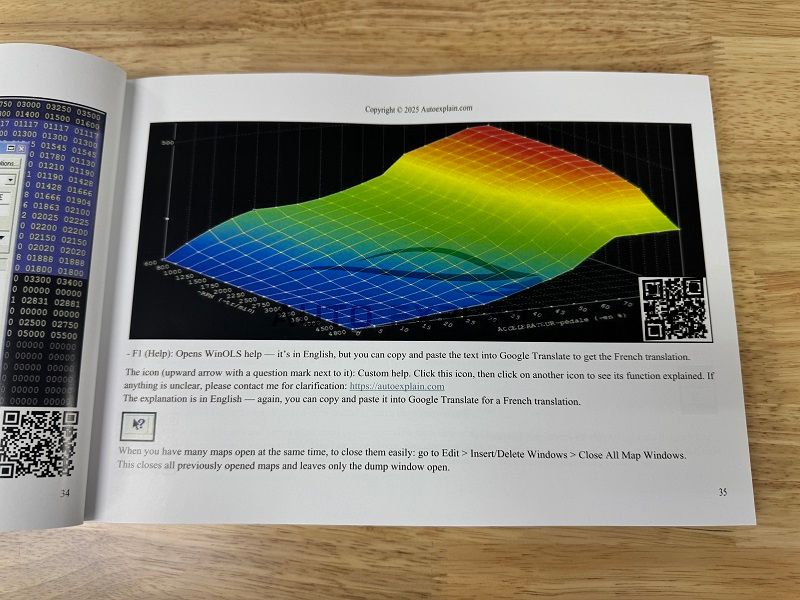
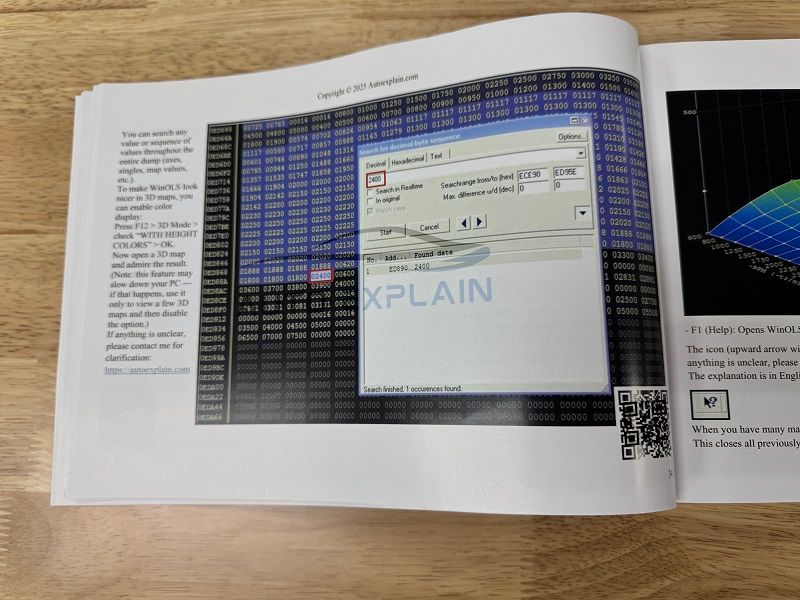
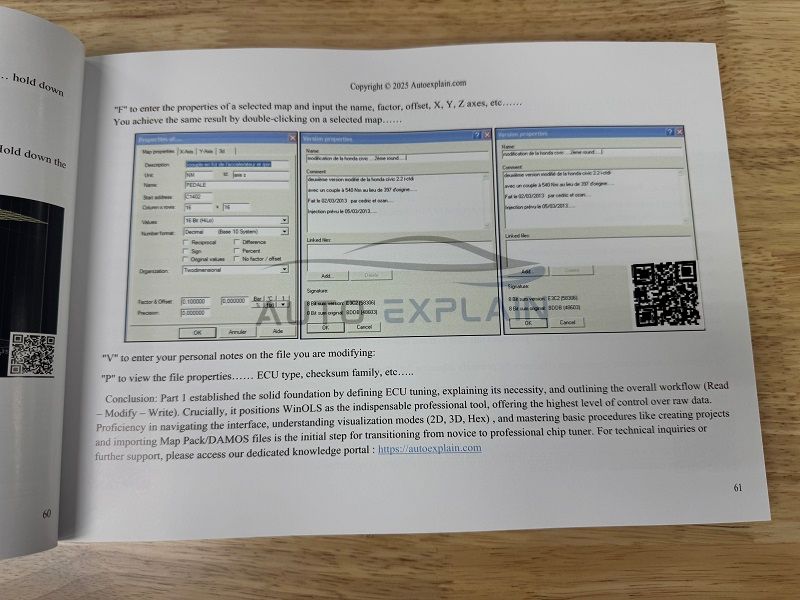
The section continues with a detailed breakdown of the WinOLS interface and internal structure, guiding you through its core functions and professional tools.
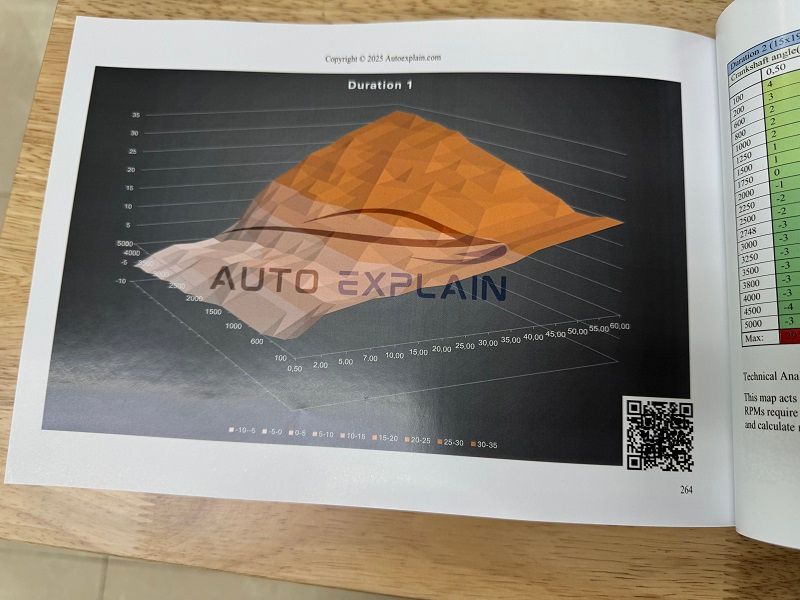
You’ll also learn how to interpret 2D, 3D, and Hexadecimal maps, building the essential skills required to recognize and analyze engine calibration data accurately.
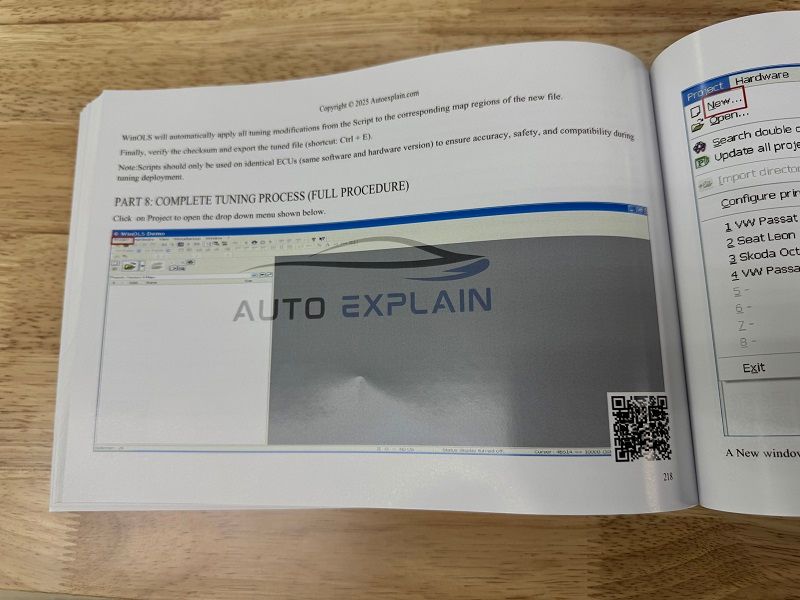
Finally, PART 1 includes a step-by-step guide to creating, opening, managing, and saving WinOLS projects, ensuring you can confidently set up and organize your tuning work from day one.
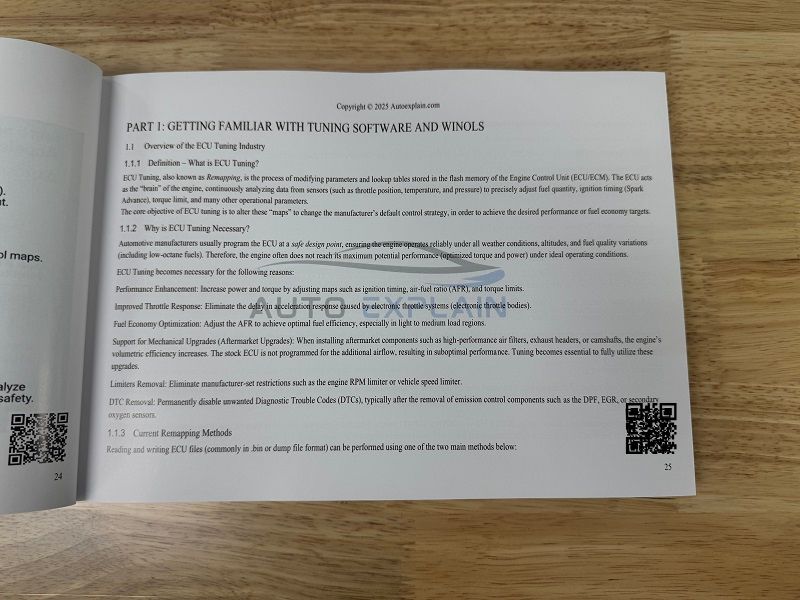
PART 2 focuses on building a strong technical foundation in EFI (Electronic Fuel Injection) and ECU systems—knowledge that is absolutely essential before performing any real ECU tuning or calibration in WinOLS.
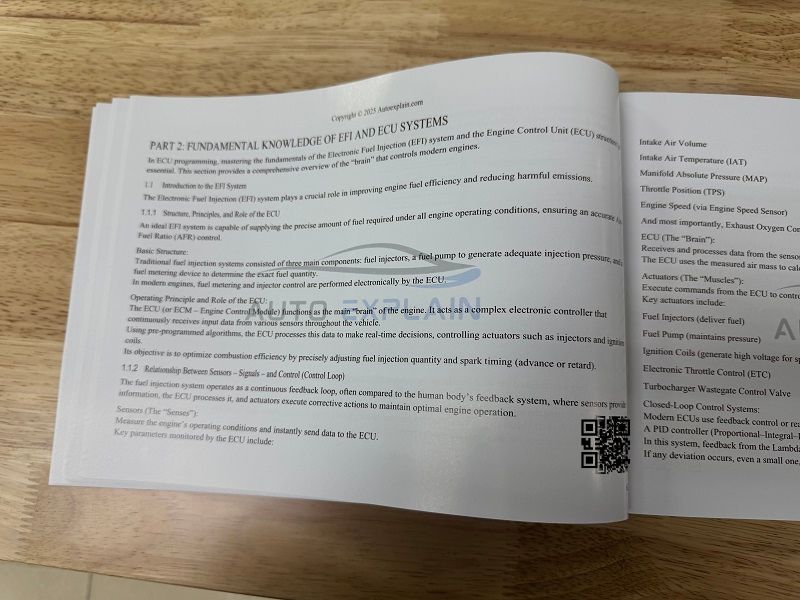
This section begins with a clear introduction to EFI system architecture, explaining how modern petrol engines are controlled electronically and how the ECU acts as the central control unit within the engine management system.
You will learn the core operating principles of ECUs, including:
These concepts are explained in a practical, easy-to-understand manner, making this section ideal for readers using the book as a WinOLS manual for beginners.
PART 2 also covers ECU classification, helping readers understand:
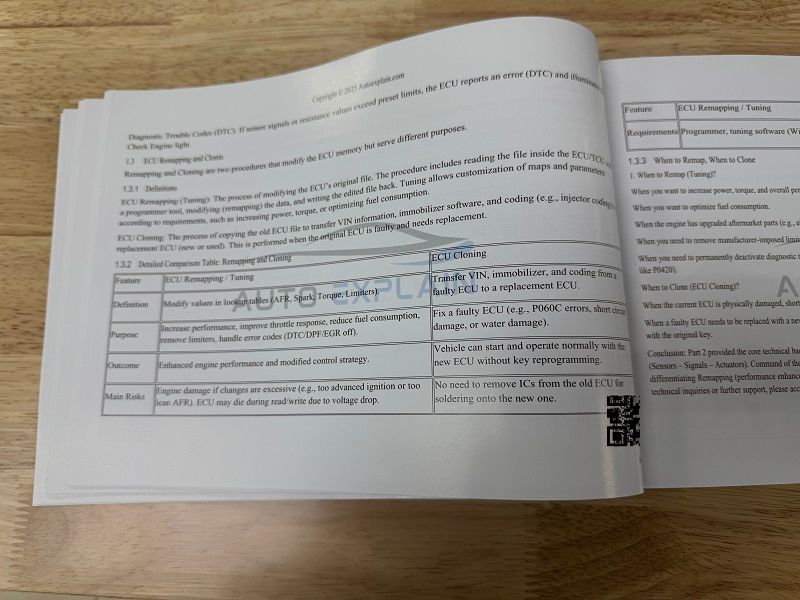
The section then moves into one of the most critical topics in ECU tuning: ECU remapping vs. ECU cloning.
You’ll gain a clear understanding of:
By the end of PART 2, readers will have the essential EFI and ECU knowledge needed to safely interpret maps, understand tuning logic, and apply WinOLS functions correctly, reducing the risk of costly tuning mistakes.
This section lays the groundwork for advanced topics covered later in the book, including engine map analysis, Stage 1 tuning, and real ECU calibration examples.
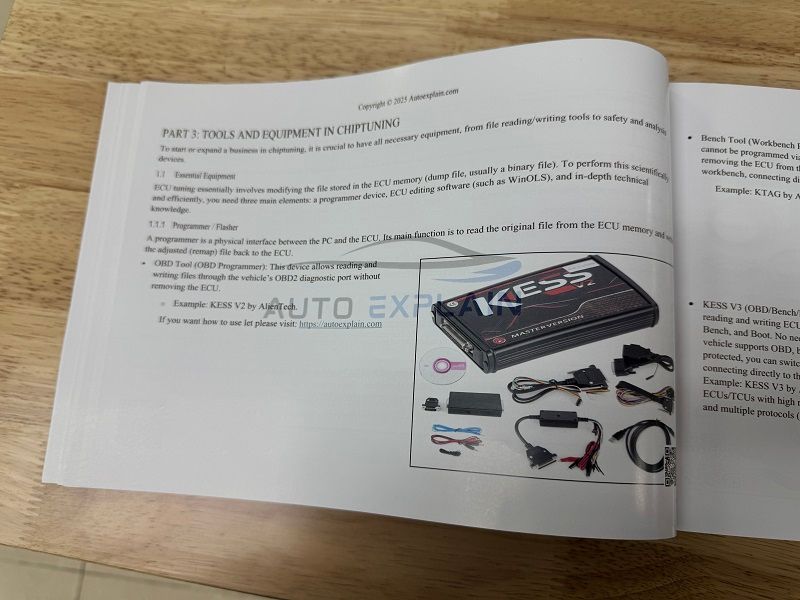
PART 3 introduces the essential tools and equipment required for professional ECU tuning, helping readers understand not only what tools are needed, but also why each tool matters in real tuning workflows.
This section begins with an overview of core programming and flashing tools used in petrol ECU tuning, explaining the role of programmers, flashers, and supporting equipment in the tuning process. Readers will learn how these tools interact with the ECU during read and write operations, forming a crucial part of any engine tuning with WinOLS workflow.
Next, the book explains the different types of programming modes, including OBD, bench, and boot modes, with practical guidance on when each method should be used. This knowledge is especially valuable for those following the book as a structured WinOLS guide or ECU tuning manual, as improper tool selection can lead to data corruption or ECU failure.
PART 3 also provides clear instructions on bench programming procedures, covering:
Special attention is given to risk prevention, helping beginners avoid common mistakes during ECU handling and programming. This makes the section particularly suitable for readers using the book as a WinOLS manual for beginners or as part of their early WinOLS training.
By the end of PART 3, readers will be able to confidently select the right tools, understand programming methods, and prepare ECUs correctly—building a safe and reliable foundation before moving into map analysis, calibration techniques, and Stage 1 tuning workflows covered in the following sections.
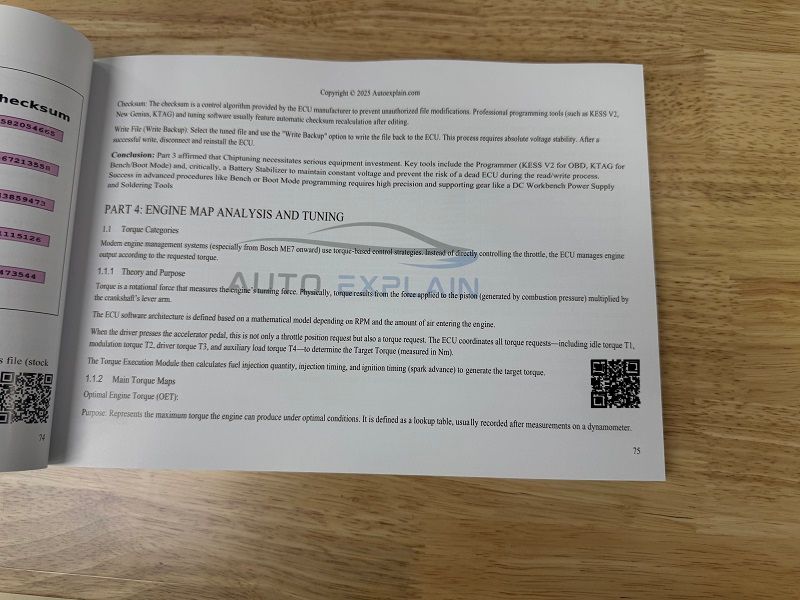
PART 4 is the core technical section of the book, where readers begin working directly with engine calibration data and learn how real ECU tuning is performed using WinOLS.
This section starts with a structured explanation of torque-based engine management, helping readers understand how modern petrol ECUs calculate and control engine output. The book breaks down torque concepts, control strategies, and the relationship between torque requests and actual engine behavior—knowledge that is essential for any professional ECU remapping guide.
You will then move into air control systems, learning how airflow is calculated and regulated by the ECU. Key air-related maps are explained in detail, allowing readers to recognize how air quantity directly affects torque, fuel delivery, and combustion stability during petrol ECU tuning.
PART 4 continues with an in-depth focus on ignition timing and spark advance, explaining:
Fuel injection strategies are also covered, with clear explanations of fuel maps, injection logic, and load-based control, enabling readers to understand how air–fuel ratios are managed under different operating conditions.
For turbocharged petrol engines, the book explains turbo control systems, including boost targets, pressure regulation, and related safety strategies. Readers will learn how turbo maps interact with torque, air, and fuel maps—an essential skill for engine tuning with WinOLS.
The section concludes with a detailed explanation of ECU limiters, covering:
Throughout PART 4, theory is directly linked to practical map analysis, making this chapter suitable for readers using the book as a WinOLS tutorial, a WinOLS calibration guide, or a structured Stage 1 ECU tuning guide.
By the end of PART 4, readers will be able to identify, interpret, and safely modify key engine maps, forming the technical foundation required for practical tuning exercises and real ECU calibration examples presented in the following sections.
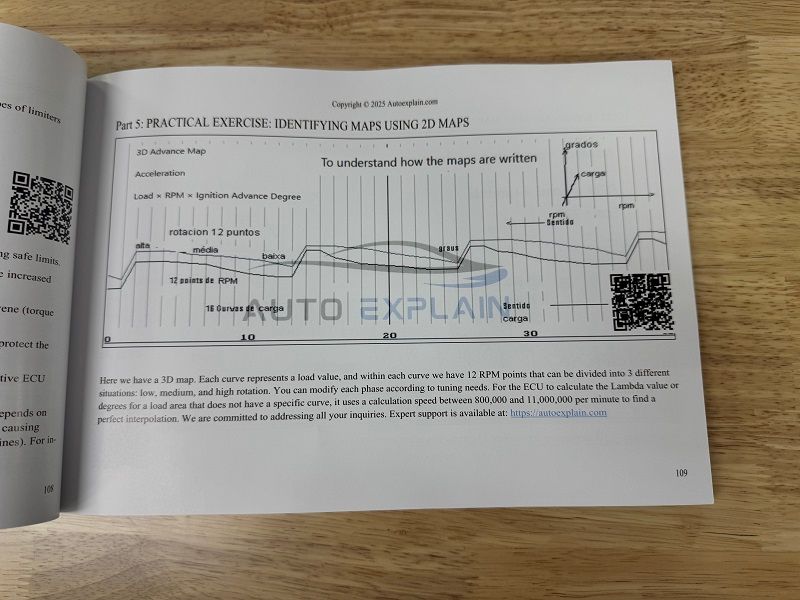
PART 5 is a hands-on practice section designed to help readers develop one of the most critical skills in ECU tuning: accurate map identification using 2D views in WinOLS.
Instead of relying on predefined map packs or DAMOS files, this section teaches readers how to recognize maps manually, a fundamental ability for anyone who wants to truly learn ECU tuning and not depend on copy-paste solutions.
The exercises focus on identifying common petrol engine maps based on:
Readers will work through real examples of ignition advance maps, fuel maps, acceleration enrichment maps, RPM limiters, turbo pressure maps, and control-related tables, all analyzed using 2D representations inside WinOLS.
This approach helps beginners understand:
PART 5 also includes repeated map recognition drills, allowing readers to build pattern recognition skills that are essential for professional ECU calibration. This makes the section especially valuable for those using the book as a WinOLS tutorial, a WinOLS guide for beginners, or a practical ECU tuning manual.
By the end of PART 5, readers will be able to confidently identify key engine maps in unfamiliar ECU files using 2D views alone—preparing them for real ECU calibration work and more advanced tuning techniques covered in later chapters.
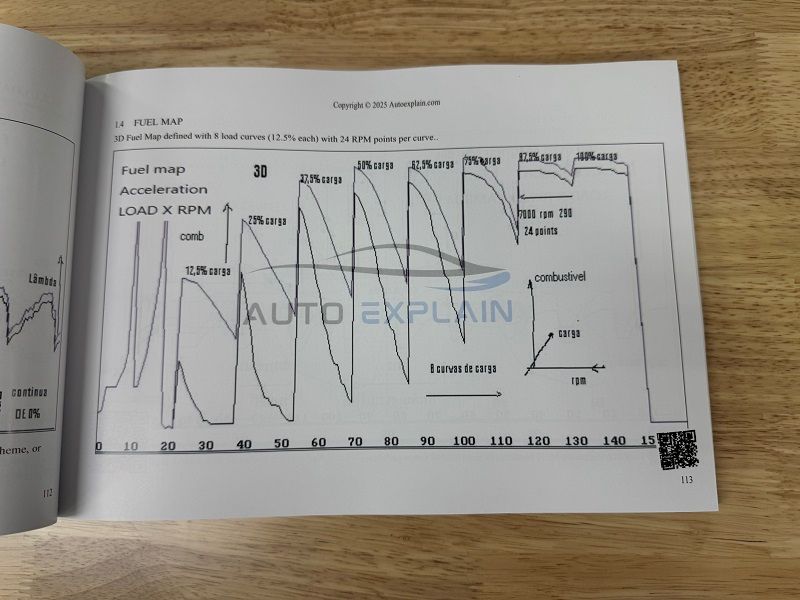
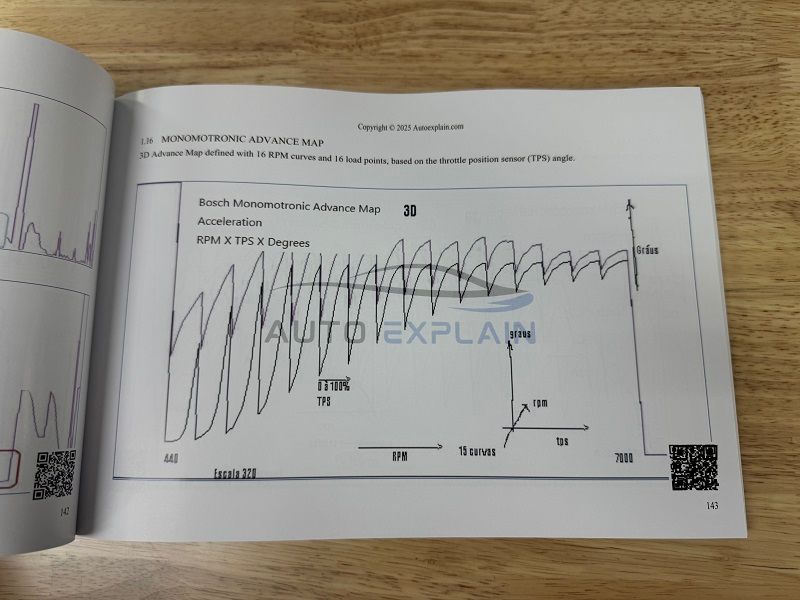
PART 6 moves from theory and isolated map identification into real-world ECU tuning scenarios, using actual ECU files commonly found in petrol-engine vehicles. This section bridges the gap between learning how to use WinOLS and applying that knowledge in professional tuning environments.
Readers will work with real ECUs from major manufacturers, including Bosch, BMW, Mitsubishi, and Delphi. Each ECU example is introduced with a clear explanation of its internal structure, data layout, and key calibration areas, helping readers understand how different ECUs organize engine control strategies.
The book provides practical guidance on identifying core engine maps within each ECU type, including torque control, ignition timing, fuel delivery, and limiter strategies. These examples demonstrate how tuning principles learned in earlier chapters are applied across different ECU platforms—an essential skill for anyone following a structured ECU tuning manual.
PART 6 also includes step-by-step Stage 1 tuning examples, where readers are guided through:
Special focus is placed on Bosch petrol ECUs (ME7, ME9, ME17, MED17), including BMW MEVD17, making this section particularly valuable for tuners working with modern BMW petrol engines.
By studying multiple ECU types, readers gain the ability to adapt their tuning approach instead of relying on one specific file structure. This makes PART 6 suitable not only for WinOLS for beginners, but also for readers progressing toward professional ECU tuning.
By the end of PART 6, readers will be able to confidently analyze real ECU files, identify key maps, and perform basic Stage 1 calibrations using WinOLS—preparing them for advanced customization and full tuning workflows covered in the following sections.
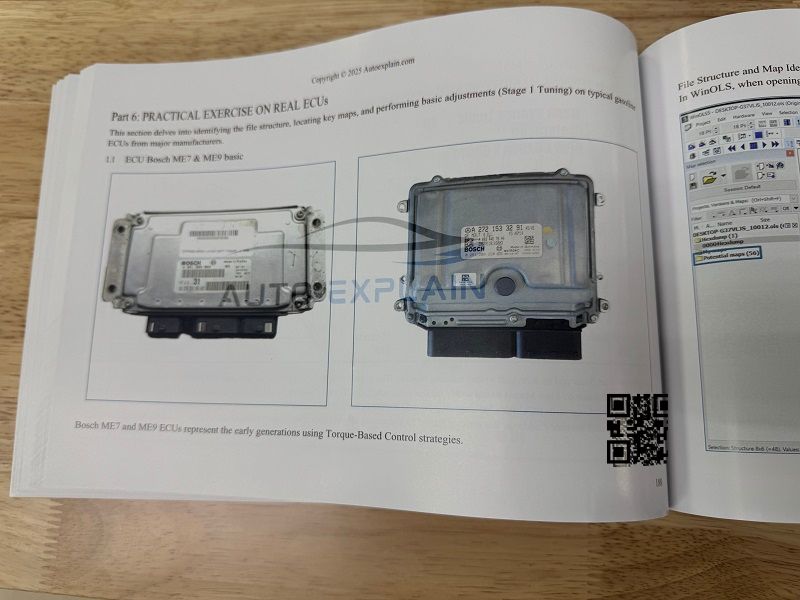
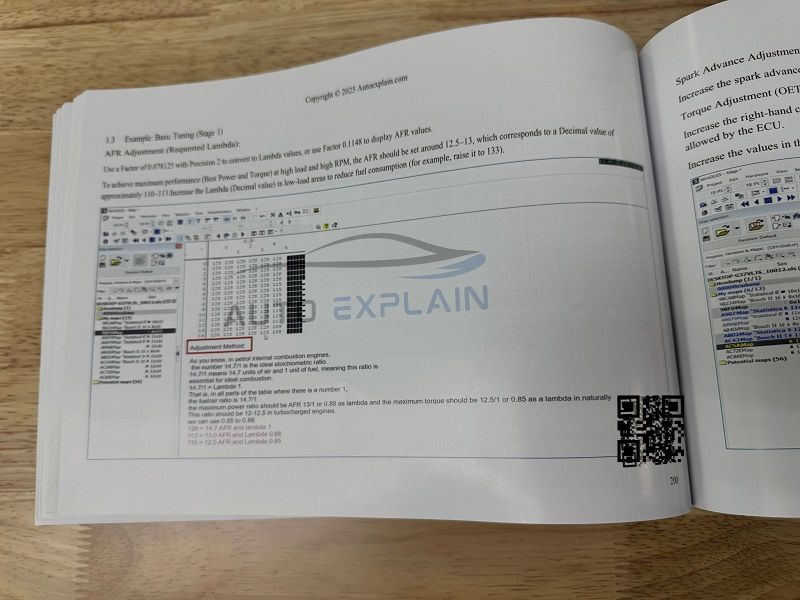
PART 7 introduces advanced ECU tuning techniques that go beyond basic calibration, allowing readers to customize ECU behavior and refine tuning results using WinOLS.
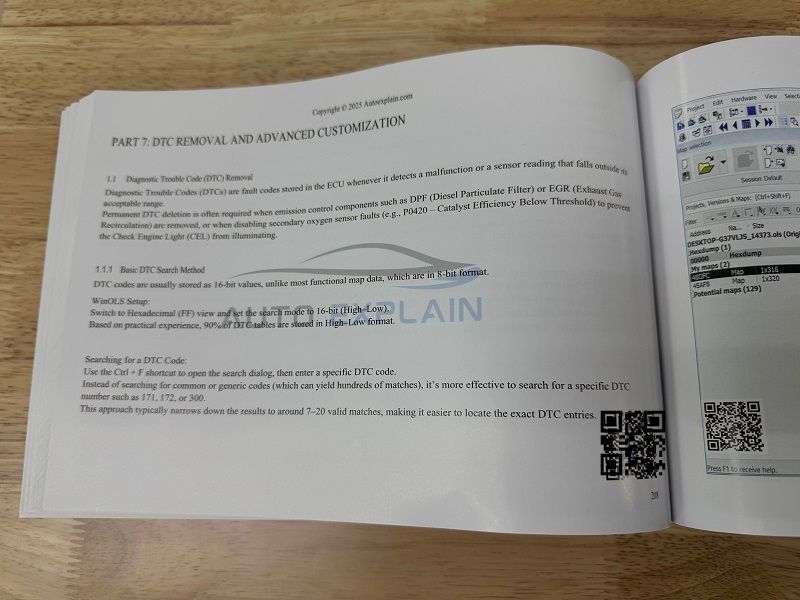
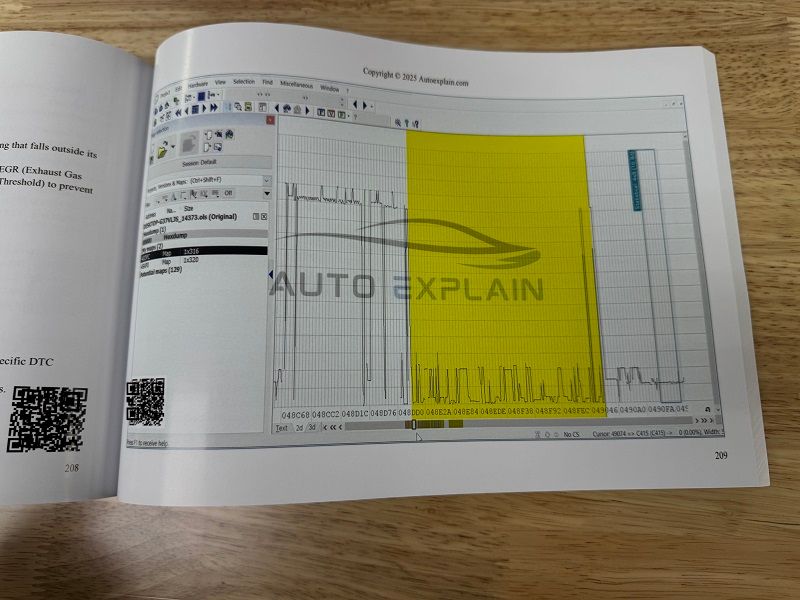
This section begins with a clear explanation of Diagnostic Trouble Codes (DTCs), including how fault codes are structured, how the ECU detects and stores errors, and when DTC removal is technically appropriate. Rather than encouraging unsafe practices, the book explains responsible DTC management, helping readers understand the difference between correcting a fault and intentionally suppressing a code for tuning or modification purposes.
Readers will learn practical methods for DTC identification and removal within ECU files, using structured search techniques and logical validation steps. This knowledge is essential for tuners working with modified hardware or custom calibration setups.
PART 7 then explores advanced exhaust behavior customization, including fuel cut strategies used for pop & bang (burble tune) effects. The book explains:
By clearly outlining both the benefits and risks, this section ensures readers approach advanced modifications with proper technical awareness—an important aspect of any professional ECU tuning guide.
The section also introduces the use of DAMOS and A2L files in WinOLS, explaining what these files are, how they assist in map identification, and when their use becomes beneficial. Readers will understand how DAMOS/A2L files can significantly speed up calibration work while improving accuracy.
Finally, PART 7 covers WinOLS automation and scripting, showing how experienced tuners can create scripts to streamline repetitive tasks. This topic marks an important transition from manual tuning toward more efficient, professional workflows.
By the end of PART 7, readers will have the knowledge to perform advanced customization, controlled DTC handling, and assisted calibration using DAMOS/A2L files, setting the stage for full tuning procedures and complete ECU workflows presented in the next section.
PART 8 brings together all knowledge from previous sections and presents a complete, start-to-finish ECU tuning workflow using WinOLS. This section is designed to show readers how professional tuners approach real projects—from the initial file analysis to final calibration and validation.
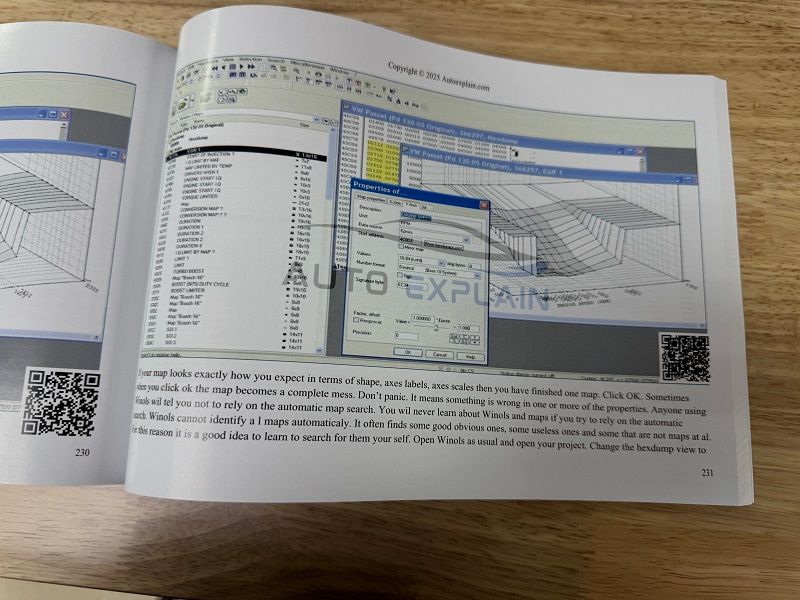
The section begins with a structured map identification strategy, helping readers systematically locate key engine control maps without relying solely on predefined map packs. Readers will learn how to analyze driver demand maps, torque limiters, smoke maps, boost control strategies, and injection-related maps in a logical sequence.
PART 8 then walks through full calibration procedures, including:
Special attention is given to map relationships, ensuring readers understand how modifying one map affects others. This approach reinforces safe and controlled petrol ECU tuning, rather than isolated or random changes.
Advanced topics such as EGR control logic and EGR deactivation are also explained, with clear guidance on when and why such modifications may be applied in tuning projects.
Throughout PART 8, the book emphasizes methodology over shortcuts, making this section especially valuable for readers using the book as a professional ECU tuning guide or a structured WinOLS calibration guide.
By the end of PART 8, readers will be able to follow a complete ECU tuning procedure with confidence, applying WinOLS tools in a logical and repeatable way—preparing them for real-world tuning work and advanced development paths covered in the final section.
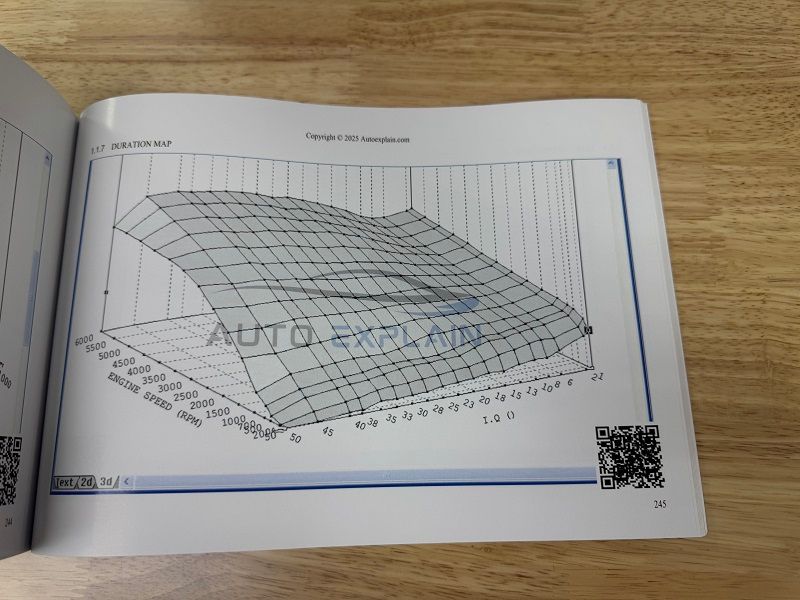
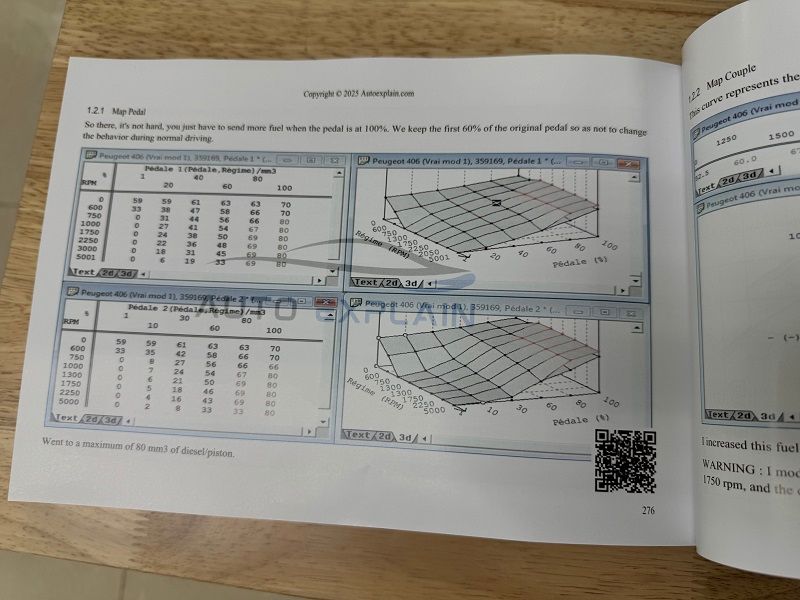
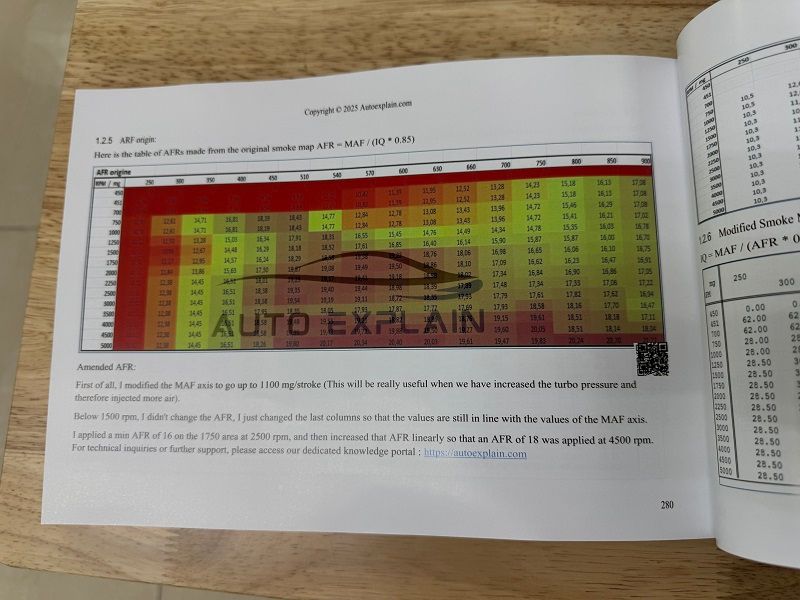
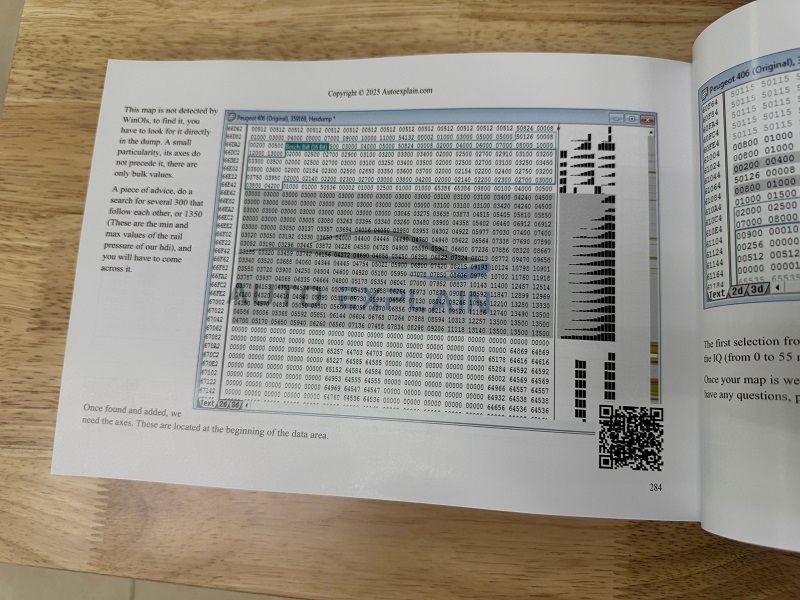
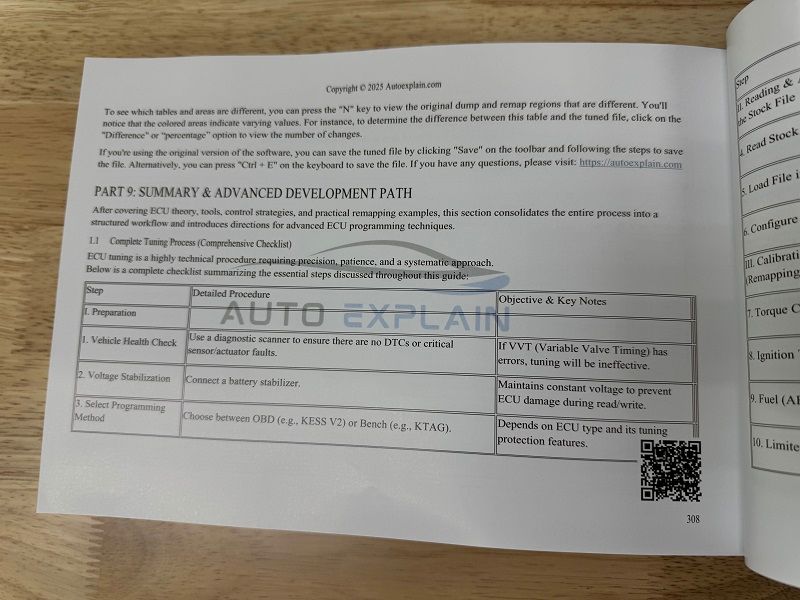
PART 9 serves as a comprehensive summary of the complete ECU tuning process and provides a clear roadmap for readers who wish to continue developing their skills beyond the scope of this volume.
The section begins with a full ECU tuning checklist, consolidating all critical steps covered throughout the book—from file preparation and map identification to calibration, validation, and final checks. This checklist helps readers apply a structured and repeatable workflow, reducing errors and improving consistency in real tuning projects.
Next, the book emphasizes the importance of post-tuning validation and performance testing, explaining why tuning is never complete without proper verification. Topics include:
These practices reinforce a professional mindset, ensuring that performance gains do not come at the cost of reliability or engine longevity.
PART 9 then outlines an advanced development path for readers ready to move beyond basic and intermediate tuning. This roadmap introduces:
Rather than positioning this book as an endpoint, PART 9 clearly shows how MASTER WINOLS Vol.1 acts as a foundation for advanced ECU tuning, professional calibration work, and future specialization.
By the end of PART 9, readers will understand not only how to tune ECUs using WinOLS, but also how to continue growing into advanced, efficient, and responsible ECU tuning professionals.
Learning ECU tuning—especially with WinOLS—can be confusing and risky without a clear learning path. Many beginners rely on scattered online tutorials, copied map files, or incomplete explanations, which often leads to poor tuning results or even ECU damage.
This book was created to solve those problems.
MASTER WINOLS Vol.1 provides a structured ECU tuning guide that takes you from fundamental concepts to real-world calibration workflows, without shortcuts or guesswork.
You need this book if you want to:
Unlike random WinOLS tutorials or fragmented online guides, this book connects theory, software usage, and real ECU examples into a single, coherent learning system.
If your goal is to learn ECU tuning, master engine tuning with WinOLS, and progress toward professional-level calibration work, this book gives you the foundation you need—clearly, safely, and systematically.
When you purchase this book from AutoExplain, you don’t just get a book — you gain a complete learning ecosystem designed to support your ECU tuning journey.
MASTER WINOLS MANUAL VOL 1: ECU TUNING FOR PETROL ENGINE is a comprehensive and practical guide designed to help you truly understand ECU tuning and confidently use WinOLS in real-world applications.
More than a traditional WinOLS manual, this book provides a structured learning path — starting from ECU tuning fundamentals, progressing through map analysis and calibration logic, and culminating in complete tuning workflows applied to real petrol engine ECUs. Each section is carefully built to help you not only learn how to use WinOLS, but also understand why each tuning decision matters.
If you are serious about learning petrol ECU tuning with WinOLS, improving your calibration skills, and building a strong technical foundation for professional ECU tuning, this book is the right place to start. For detail, please contact AutoExplain via WhatsApp: +1 (936) 289 6695.
Related Books from AutoExplain
- Combo: Mercedes Master Diagnostic & Coding Guidebook
- BMW Diagnostic Coding Guide – Vol.1: Getting Started with INPA, ISTA, ETK, E-Sys & NCS Expert
- Car Repair Manual Book Set: Mastering Vehicle Diagnostic & Coding
| Weight | 0.5 kg |
|---|