
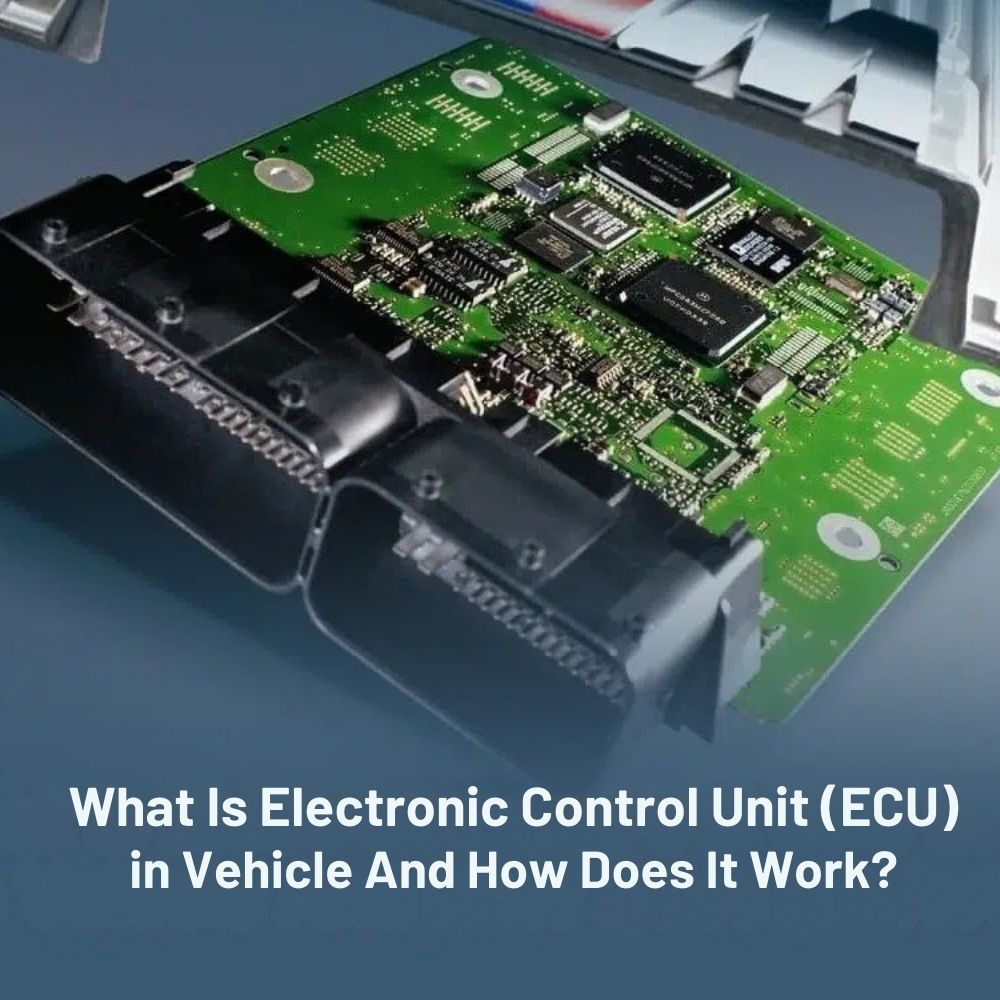
What is an ECU in a car? If you’ve ever heard mechanics or car enthusiasts mention an ECU and wondered what it actually does, you’re not alone. An ECU, or Electronic Control Unit, is essentially the brain of a modern car, responsible for managing and coordinating critical engine and vehicle functions. From controlling fuel injection and ignition timing to monitoring emissions and engine performance, the ECU plays a central role in keeping your car running efficiently, smoothly, and reliably. In this guide, AutoExplain will explain what an ECU is, how it works, where it’s located, and what happens when it fails — in a clear and easy-to-understand way.
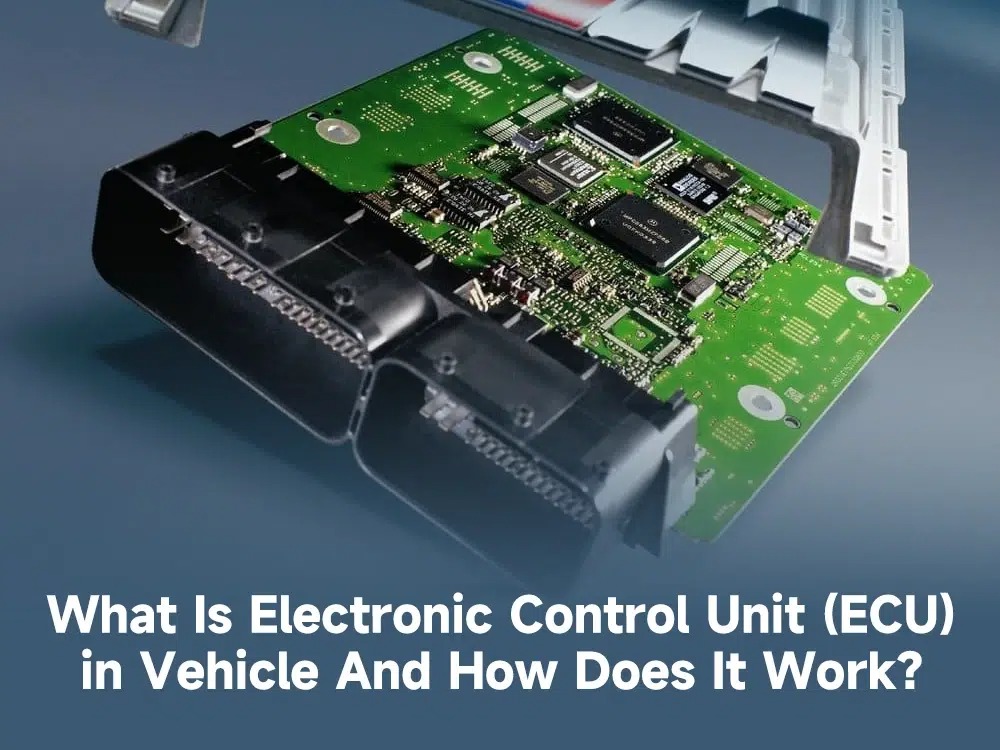
An Electronic Control Unit (ECU) is a computerized control module used in modern vehicles to manage and regulate various electronic systems. It works by receiving real-time data from multiple sensors located throughout the vehicle. These sensors monitor parameters such as engine speed, temperature, air intake, throttle position, and vehicle speed.
The ECU processes this sensor data using embedded software and predefined algorithms specific to each system it controls. Based on this analysis, the ECU sends commands to different actuators, which then perform physical actions to adjust vehicle behavior — such as changing fuel delivery, ignition timing, braking force, or airflow.
In simple terms, the ECU acts as the vehicle’s decision-making center, ensuring that each system operates efficiently, safely, and in coordination with others.
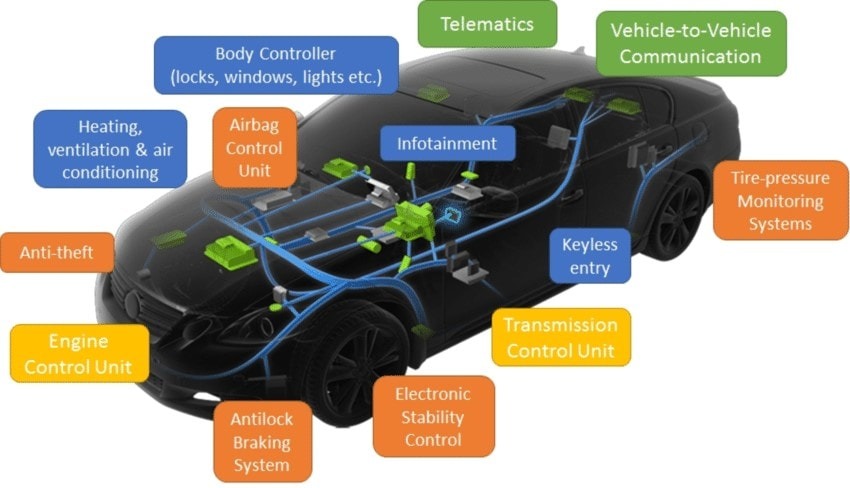
Most modern vehicles do not rely on a single ECU. Instead, they use multiple ECUs, each responsible for a specific system or function. These control units communicate with each other through vehicle networks such as CAN bus, LIN, or FlexRay.
Common ECUs found in modern vehicles include:
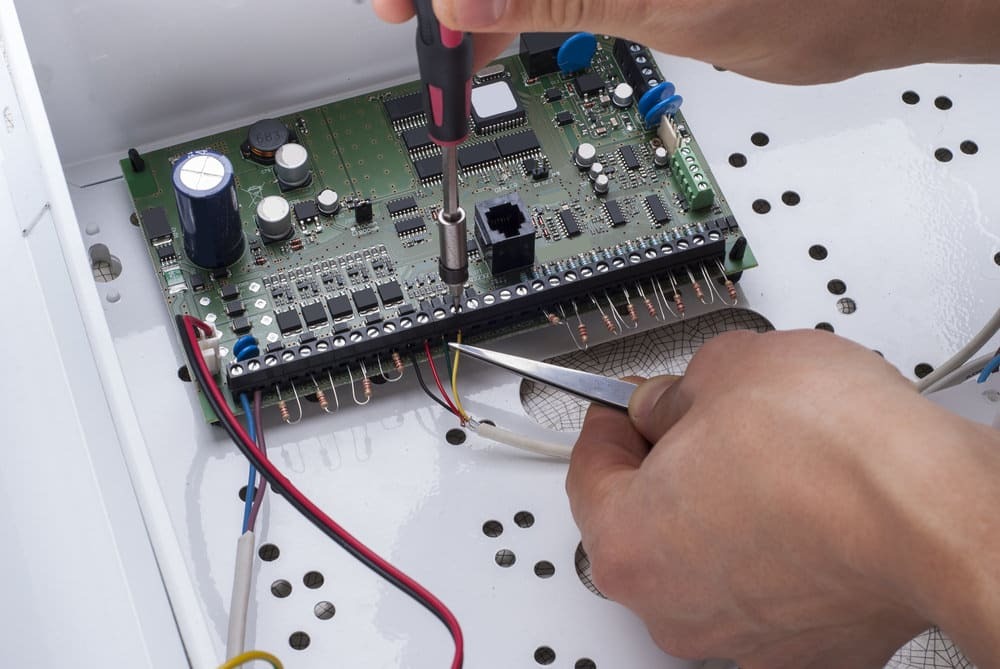
An ECU consists of two equally important elements: hardware and software.
While hardware failures are often caused by electrical or environmental factors, most performance-related changes and issues are software-based, which is where ECU programming and remapping come into play.
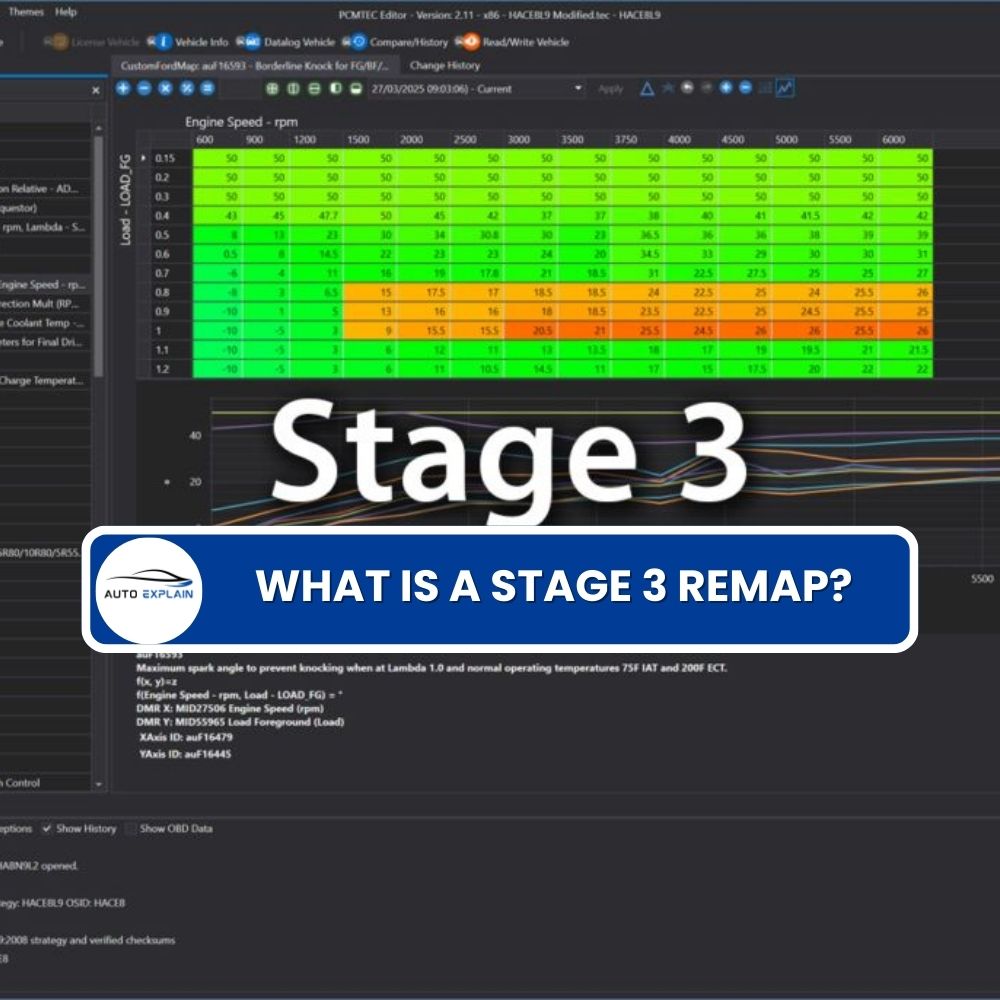
ECU behavior is largely defined by calibration data stored in lookup tables, commonly referred to as maps. These maps determine how the ECU reacts under different operating conditions.
Typical ECU maps include:
Understanding how these maps interact is essential for safe diagnostics, optimization, and ECU remapping.
Modern ECUs do not operate in isolation. They communicate continuously using in-vehicle networks such as:
This networked architecture enables distributed control but also increases diagnostic complexity.
The Electronic Control Unit (ECU) continuously collects real-time data from multiple sensors throughout the vehicle and uses this information to instantly adjust critical engine and system functions. Its main goal is to ensure optimal performance, fuel efficiency, and emissions control under all driving conditions.
How Does the ECU Work?
The ECU operates in a continuous loop, processing massive amounts of data every second. Here’s how it manages the engine in real time:
Sensor Data Collection
The ECU receives constant input from sensors across the vehicle, monitoring parameters such as engine temperature, airflow, throttle position, oxygen levels, and engine speed.
Data Processing & Decision Making
This sensor data is compared against pre-programmed maps and control strategies stored in the ECU software. The ECU performs millions of calculations per second to determine the most efficient and safe way for the engine to operate at that exact moment.
Actuator Control
Based on these calculations, the ECU sends precise commands to actuators to regulate key engine functions, including:
Fuel Injection
Ensures the correct amount of fuel is mixed with incoming air for optimal combustion.
Ignition Timing
Precisely controls when the spark plugs fire to maximize power and efficiency.
Emissions Control
Manages emission-related systems to keep exhaust gases within legal and environmental limits.
Idle Speed Control
Maintains a stable and smooth engine idle when the vehicle is stationary.
There is no universal industry standard for ECU placement, as the location can vary depending on the vehicle’s make, model, and design. However, the ECU is typically positioned close to the engine or in a protected area to ensure reliable operation and easy access for diagnostics.
The exact ECU location for your specific vehicle is always listed in the owner’s manual or official service documentation. For accurate identification, especially before repairs or tuning, consulting these resources is strongly recommended.
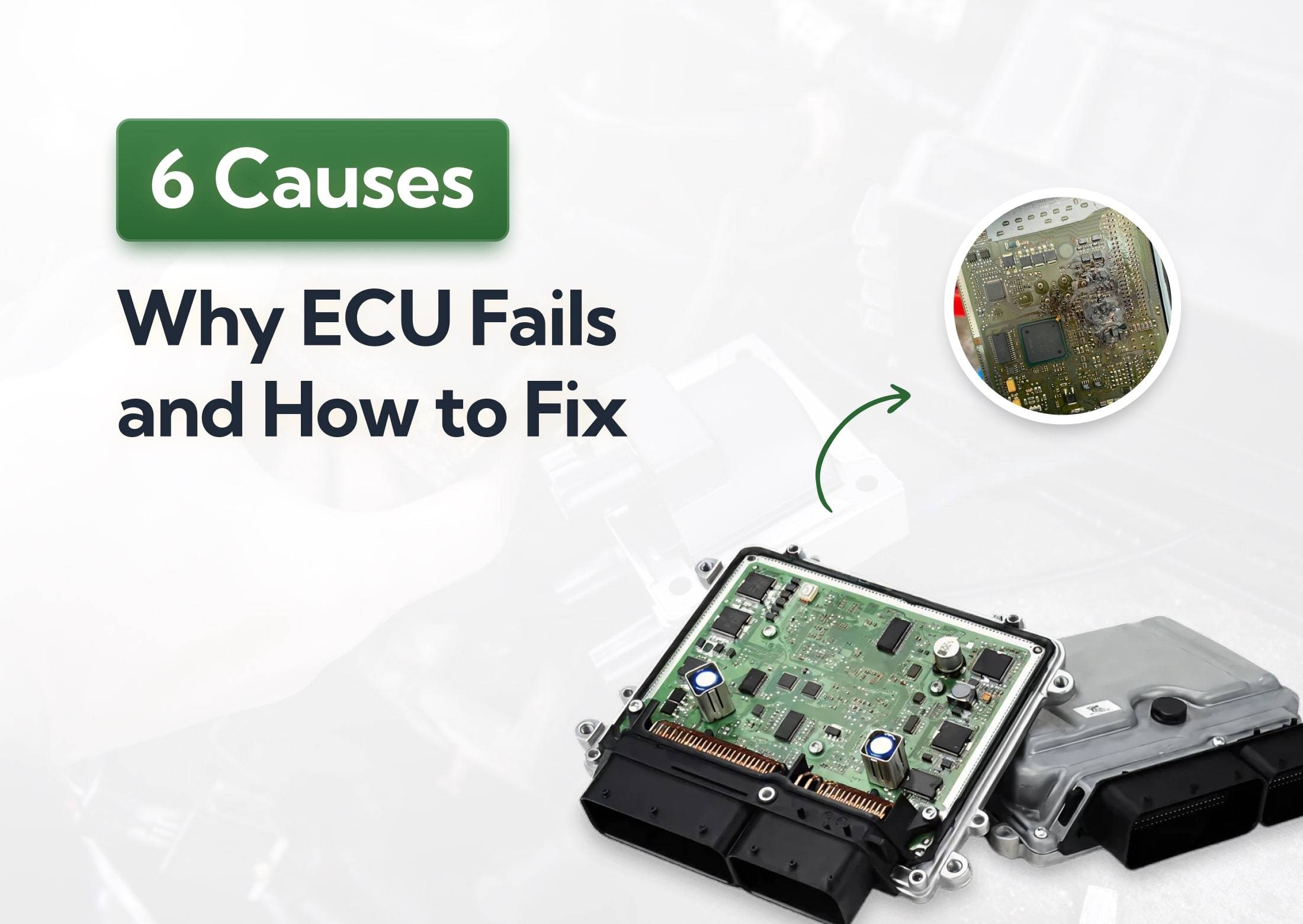
Because the ECU controls and coordinates many critical systems in modern vehicles, a malfunctioning ECU can lead to a wide range of symptoms. The severity of these issues depends on the type of failure and which systems are affected.
Why ECU Failures Are Serious
Since the ECU acts as the vehicle’s central control unit, even minor faults can affect drivability, efficiency, and safety. Accurate diagnosis is essential, as ECU-related symptoms can sometimes be caused by sensors, wiring, or software issues rather than the ECU hardware itself.
No. A modern vehicle cannot operate without an ECU.
While a car may still run with a partially faulty ECU (often in limp mode with reduced performance), it is impossible for a modern engine to run without an ECU at all. This is because the ECU is responsible for controlling essential systems such as electronic fuel injection, ignition timing, and emissions management.
Without an ECU:
As a result, the engine will either fail to start or immediately shut down.
Testing an ECU requires professional diagnostic equipment and technical expertise.
In most cases, ECU testing involves:
Because ECU faults often mimic sensor or wiring problems, accurate testing requires experience in automotive electronics and system logic. For this reason, ECU diagnostics are typically carried out by trained technicians using OEM-level or advanced diagnostic tools.
Yes, an ECU can be replaced — but it is not a simple plug-and-play process.
Most ECUs are:
Replacing an ECU usually requires:
For this reason, ECU replacement is best handled by authorized service centers or specialist workshops with the proper tools and security access.
ECU tuning is performed by modifying the software inside the ECU, a process commonly known as ECU remapping.
This involves:
Depending on the calibration strategy, ECU remapping can be used to:
However, it’s important to note that:
Understanding how an ECU works is the foundation for anyone interested in vehicle diagnostics, performance optimization, or engine tuning. Whether you are a technician looking to develop professional tuning skills or a vehicle owner seeking reliable ECU optimization, the right knowledge and tools make all the difference.
Learn ECU tuning for petrol engines with Master WinOLS Manual Vol.1
In many cases, repairing an ECU is more cost-effective than replacing it.
ECU repair is often recommended when:
Repair advantages include:
However, ECU replacement may be unavoidable if:
Accurate diagnosis is critical, as ECU failures are sometimes misdiagnosed, when the real issue lies elsewhere in the system.
In some cases, what appears to be an ECU fault is actually a calibration or software-related issue. Professional ECU tuning and software diagnostics can help identify whether optimization, recalibration, or repair is required before considering replacement.
See more: ECU Tuning Services
Understanding what an ECU is and how it works is essential in today’s modern vehicles, where nearly every critical function is controlled by electronic systems. From managing fuel injection and ignition timing to ensuring emissions compliance and overall driving safety, the ECU acts as the central brain that keeps the car running efficiently and reliably. If you need support, please contact AutoExplain via WhatsApp +1 (936) 289 6695 for best support!