
You’re considering a Stage 1 remap for your vehicle, but still wondering what a Stage 1 remap really is and whether it’s right for your car. In this blog, we explain exactly what a Stage 1 remap is, what a Stage 1 remap does, the pros and cons of a Stage 1 remap, and the difference between Stage 1 and Stage 2 remaps. We’ll also cover how long a Stage 1 remap takes and how much a Stage 1 remap costs, helping you make an informed decision before tuning your vehicle. Let’s find out more in the article below from AutoExplain!
A Stage 1 remap is the first level of engine tuning and involves a software upgrade to your vehicle’s Engine Control Unit (ECU). It optimizes key engine parameters such as fuel delivery, air–fuel mixture, air intake, ignition timing, valve timing, and fuel injection to increase horsepower, torque, and throttle response — typically without requiring any hardware modifications. Designed to operate within the safe limits of standard components, a Stage 1 remap is a cost-effective way to unlock additional performance from a stock petrol or diesel vehicle while maintaining everyday drivability and, in some cases, improving fuel economy during steady driving.

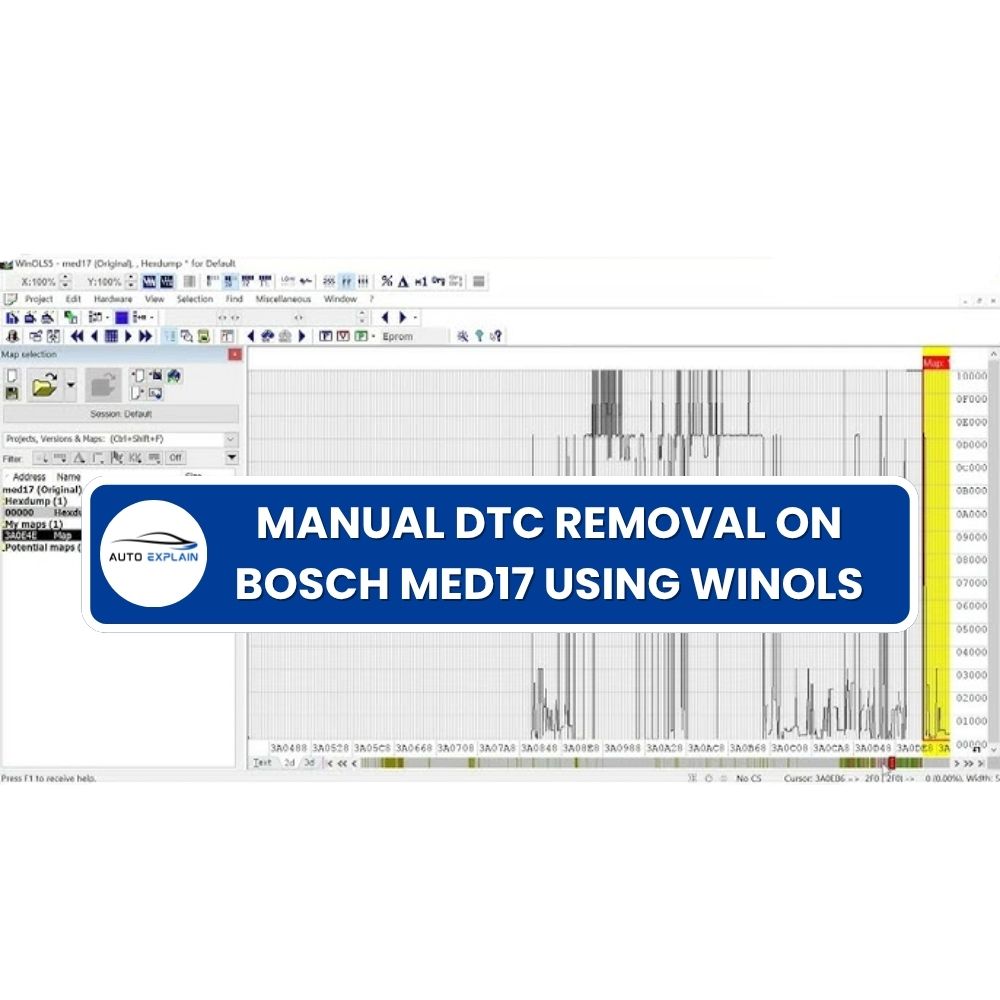
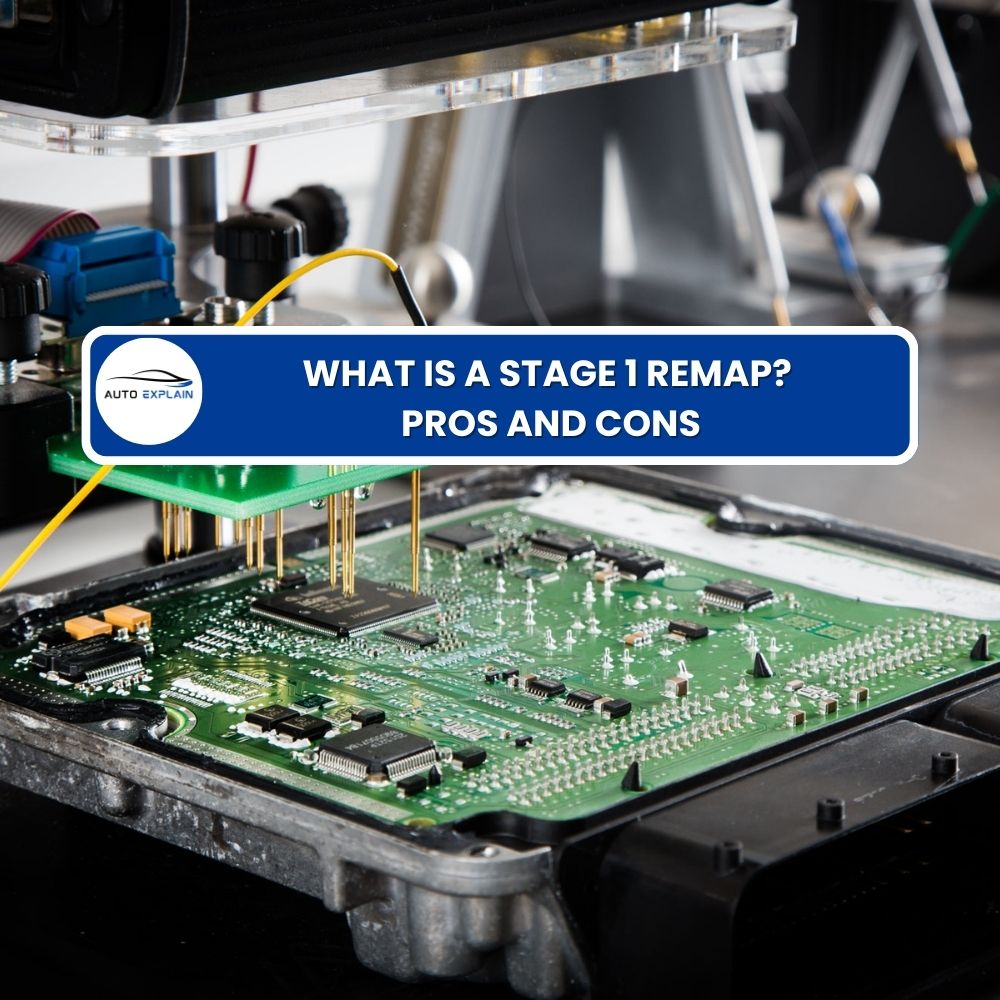
Stage 1 car remapping is a software-only engine calibration, carried out by accessing the ECU either through the vehicle’s OBD port or directly via bench programming. Using professional tuning tools such as KESS3 or CMD, the ECU software is read, optimized, and reprogrammed. In some cases, the ECU is removed from the vehicle and bench-tuned by connecting directly to the circuit board, allowing precise control over the calibration process.
Depending on the tuning goals, a Stage 1 remap can be optimized for improved fuel economy or enhanced performance, delivering noticeable gains in horsepower and torque. When performed correctly by an experienced tuner, a Stage 1 ECU remap improves drivability and responsiveness without compromising the reliability or longevity of the engine.
With no hardware upgrades, engine remapping can achieve the following benefits:
A Stage 1 remap improves engine performance by optimizing the factory ECU calibration while keeping all hardware completely stock. By recalibrating key engine parameters, it allows the engine to operate more efficiently and deliver stronger, smoother performance in everyday driving conditions.
Specifically, a Stage 1 ECU remap can:

All adjustments are made within the safe operating limits of standard engine components, ensuring reliability and longevity when the remap is carried out by a professional tuner.
A Stage 1 remap is generally considered safe when it is carried out correctly on a well-maintained, standard vehicle. This level of remapping is designed to operate within the safe limits of factory engine components, without requiring any hardware modifications.
The ECU calibration is optimized to improve performance while maintaining conservative margins for engine protection. Parameters such as fuel delivery, ignition timing, boost pressure, and torque limits are adjusted carefully to ensure reliability and long-term durability. For this reason, Stage 1 remapping is widely used on daily-driven vehicles.
However, the safety of a Stage 1 remap depends heavily on the quality of the tuning and the condition of the vehicle. A remap performed using poorly developed or generic ECU files can lead to increased engine stress, drivability issues, or reduced reliability. Similarly, vehicles with existing mechanical problems may not respond well to any form of ECU tuning.

To ensure a Stage 1 remap is safe, it is important that:
When these conditions are met, a Stage 1 ECU remap can provide reliable performance gains without negatively affecting engine longevity or everyday usability.
A Stage 1 remap is often considered the safest and most popular entry-level ECU tuning option, but like any modification, it comes with both advantages and disadvantages. Understanding the pros and cons helps you decide whether a Stage 1 remap is suitable for your vehicle and driving needs.
One of the main benefits of a Stage 1 remap is the noticeable increase in performance without hardware modifications. By optimizing the factory ECU calibration, a Stage 1 remap can deliver increased horsepower and torque, improved throttle response, and smoother power delivery, especially in the low and mid-range RPM.
A Stage 1 remap also offers excellent value for money. Compared to mechanical upgrades, ECU tuning is relatively cost-effective while delivering measurable performance gains. For many drivers, it provides a more engaging driving experience without sacrificing everyday comfort.
When carried out by a professional tuner, a Stage 1 remap is designed to operate within the safe limits of standard engine components. This means reliability and engine longevity are typically maintained, making it suitable for daily-driven vehicles. In some cases, fuel efficiency may also improve during steady driving, particularly with an economy-focused calibration.

Despite its benefits, a Stage 1 remap does have some drawbacks. One of the most common concerns is the potential impact on manufacturer warranty, as ECU modifications may be detected by dealerships depending on the vehicle and software system.
Performance gains from a Stage 1 remap are limited compared to higher tuning stages. Drivers looking for maximum power increases may find Stage 1 insufficient without moving to Stage 2 or beyond, which requires hardware upgrades.
Additionally, the quality of the remap heavily depends on the experience of the tuner. Poorly developed or generic ECU files can lead to inconsistent performance or reliability issues. For this reason, choosing a reputable tuning specialist is critical to ensure safe and effective results.
The main difference between Stage 1 and Stage 2 remaps lies in the level of modification, performance potential, and hardware requirements. While both involve ECU software tuning, each stage is designed for different goals and vehicle setups.
A Stage 1 remap is a software-only upgrade carried out on a completely standard vehicle. It optimizes factory ECU parameters such as fuel delivery, ignition timing, and boost control to improve power and torque while remaining within the safe operating limits of stock components. Stage 1 remapping is ideal for daily-driven cars where reliability, drivability, and cost-effectiveness are priorities.
A Stage 2 remap, on the other hand, is designed for vehicles with supporting hardware upgrades. These typically include components such as an upgraded intake system, high-flow downpipe, improved intercooler, or enhanced exhaust system. The ECU calibration is adjusted to take full advantage of these modifications, allowing for higher boost levels, more aggressive ignition timing, and greater overall performance gains.
In terms of performance, Stage 2 remaps deliver noticeably higher horsepower and torque compared to Stage 1, but they also place greater demands on engine and drivetrain components. As a result, Stage 2 tuning is more suitable for enthusiasts who prioritize performance over absolute comfort and are prepared for higher costs and increased maintenance considerations.
In summary, Stage 1 is best for stock vehicles and everyday driving, while Stage 2 is aimed at modified vehicles seeking maximum performance through both software and hardware upgrades.
The cost of a Stage 1 remap can vary depending on several factors, including the vehicle make and model, the tuner’s experience, and the region where the service is performed. Unlike mechanical upgrades, a Stage 1 remap is a software-based process, so it is generally more affordable than performance parts or higher-level tuning stages.
On average, a Stage 1 remap usually falls within a reasonable price range for most drivers looking to improve performance without major expense. Prices can vary, but typical costs often include:
Because pricing varies by region and service provider, it’s a good idea to check with reputable tuning specialists to compare quotes and what’s included. Some tuners may offer package deals if additional services (such as logging or dyno sessions) are part of the process.
Several factors can influence the price you pay for a Stage 1 remap:
While a Stage 1 remap may seem like an investment up front, many drivers consider it good value for money because it delivers noticeable performance improvements without the higher costs associated with mechanical upgrades. Choosing a reputable tuner also helps ensure safe and reliable results.
At AutoExplain, our Stage 1 ECU remap service is delivered to the highest technical standards, with a strong focus on performance, safety, and long-term reliability for daily-driven vehicles. We do not use generic tuning files; instead, each ECU calibration is optimized based on the specific vehicle model, engine configuration, and real-world driving conditions.
Stage 1 remapping at AutoExplain is a software-only performance upgrade, requiring no hardware modifications. It enhances horsepower, torque, and throttle response while maintaining the stability and durability of factory components.

Our Stage 1 Remap Process
Benefits of Stage 1 Remap at AutoExplain
Why Choose AutoExplain?
AutoExplain is committed to providing a safe, effective, and reliable Stage 1 ECU remap, helping you unlock your vehicle’s true potential while maintaining confidence in everyday driving.
Contact AutoExplain for Stage 1 Remap Support:
The AutoExplain team is ready to provide detailed consultation and help you choose the most suitable Stage 1 ECU remap solution for your vehicle.
A Stage 1 remap is a practical and cost-effective way to enhance engine performance without the need for hardware modifications. By optimizing the ECU software within factory safety limits, it delivers noticeable improvements in horsepower, torque, and throttle response while maintaining reliability and everyday drivability.
For drivers looking to improve performance on a standard petrol or diesel vehicle, a Stage 1 remap offers an ideal balance between power, safety, and value. When carried out by an experienced and reputable tuner, it remains one of the safest and most popular entry-level ECU tuning options available today.
Contact AutoExplain via WhatsApp: +1 (936) 289 6695. Get expert advice and support for your Stage 1 ECU remap and find the best tuning solution for your vehicle.