
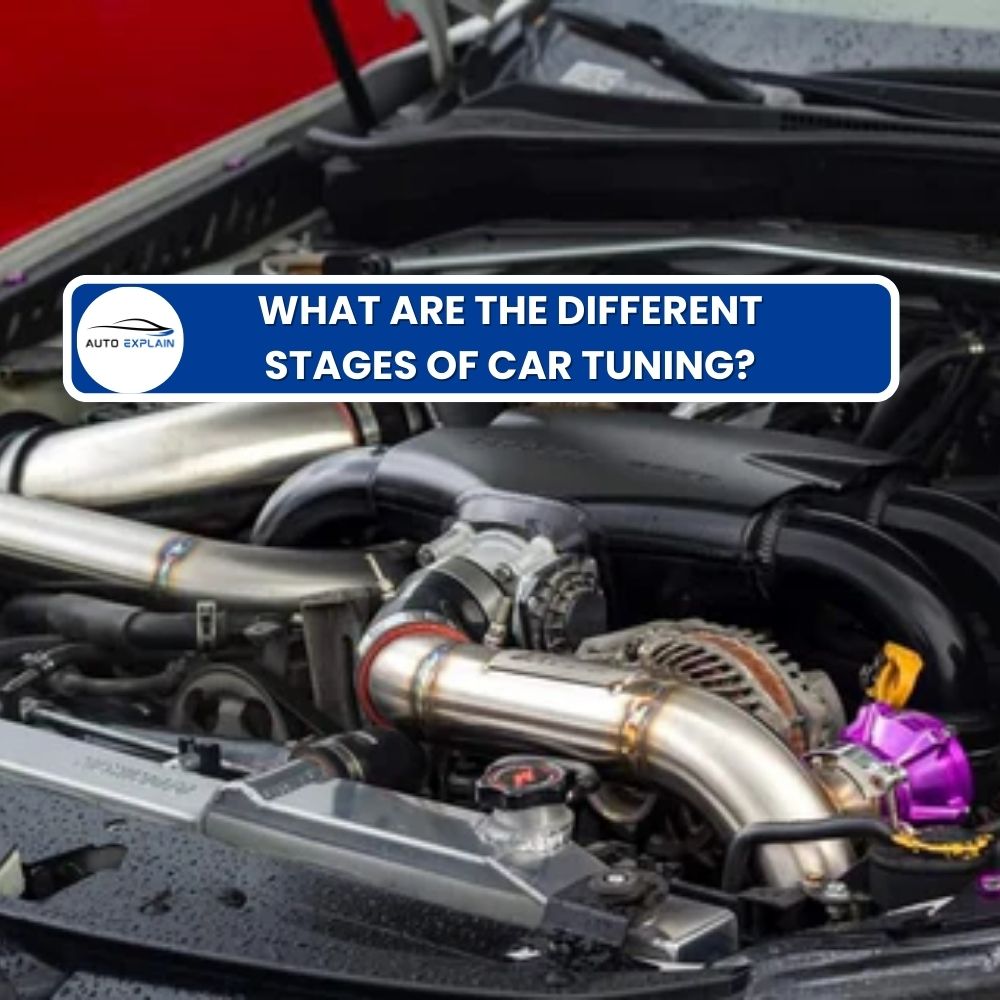
Different stages of car tuning refer to the different levels of performance modification applied to a vehicle, ranging from simple ECU software adjustments to advanced hardware and engine upgrades. Understanding what are the different stages of car tuning helps drivers choose the right tuning path based on their performance goals, budget, and vehicle usage. From Stage 1 remapping for daily driving to Stage 3 builds for maximum power, each tuning stage offers distinct benefits, risks, and requirements that should be carefully considered before upgrading.
In this guide, AutoExplain will break down each car tuning stage in detail, explaining how Stage 1, Stage 2, and Stage 3 tuning work, what modifications are required, and which option is best for daily driving, towing, or performance-focused builds—so you can make informed and safe tuning decisions.
Stage tuning is a structured way to classify car performance upgrades into clear levels—commonly Stage 1, Stage 2, and Stage 3—based on how much the vehicle is modified and how far performance is increased. Each stage represents a step up in power, complexity, and required supporting hardware.
Instead of random upgrades, stage tuning provides a safe, logical progression for improving engine performance, drivability, and efficiency. It helps car owners understand:
At its core, stage tuning usually starts with ECU remapping (software tuning) and gradually moves toward hardware upgrades and full performance builds, ensuring the engine, drivetrain, and supporting systems remain within safe operating limits.
In the next sections, AutoExplain will break down Stage 1, Stage 2, and Stage 3 tuning so you can clearly see which stage fits your goals best.
Car tuning stages are commonly used to describe levels of ECU modification and hardware upgrades, helping drivers understand how far a vehicle has been tuned and what to expect in terms of performance, reliability, and requirements.
In simple terms, each tuning stage represents a step up in power and complexity:
While the exact definitions can vary slightly between tuning companies, the industry generally recognizes three main stages of car tuning: Stage 1, Stage 2, and Stage 3. These stages make it easier for owners to choose a tuning level that matches their goals—whether that’s better daily driving, stronger performance, or maximum power output.
In the sections below, AutoExplain breaks down each tuning stage in detail, explaining what changes are made, what hardware is required, and how each stage affects performance, reliability, and legality.
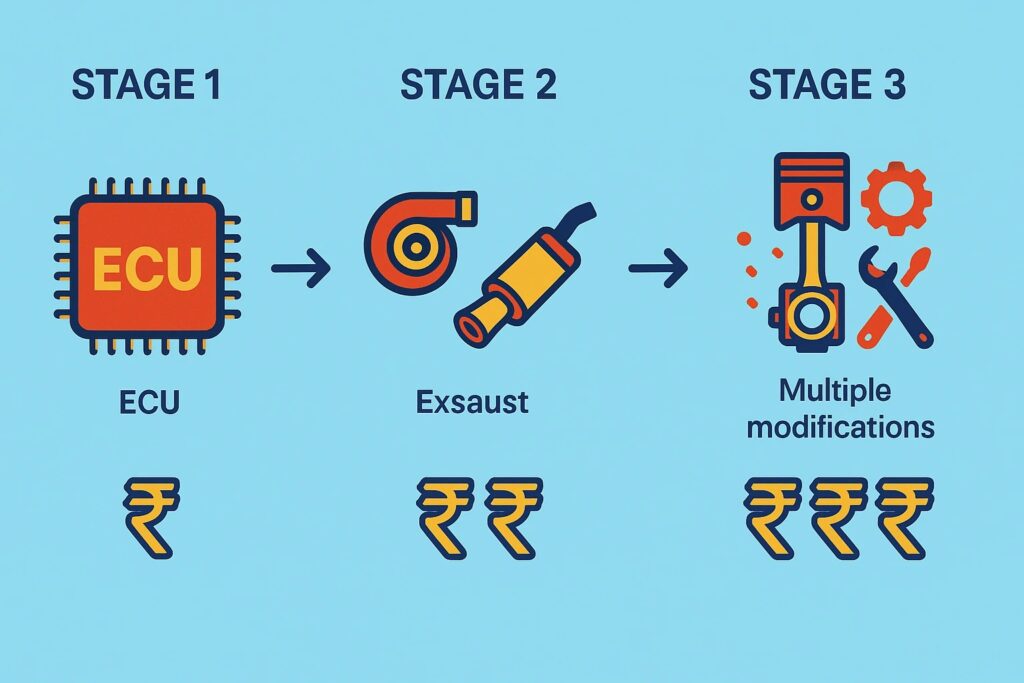
Stage 1 tuning is the entry level of car tuning and the most popular option for daily-driven vehicles. At this stage, performance gains come purely from ECU remapping, with no hardware modifications required.
Key characteristics of Stage 1:
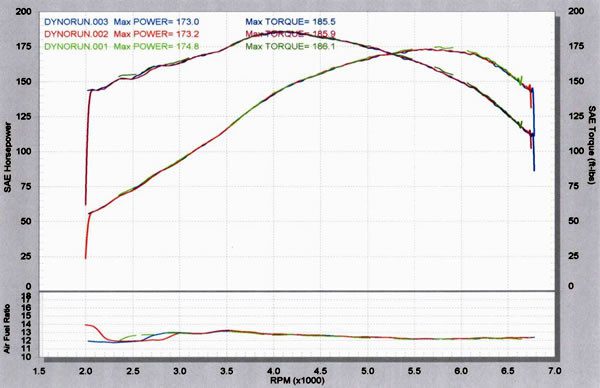
Best for: Daily driving, improved drivability, better overtaking power, and fuel efficiency when tuned correctly.
See more: What is a stage 1 remap
Stage 2 tuning builds on Stage 1 by adding essential hardware upgrades to safely support higher power levels. The ECU calibration becomes more aggressive, but still controlled.
Typical Stage 2 requirements:
What you gain:
See more: What is a Stage 2 Remap
Best for: Performance-focused drivers who want a big jump in power without going fully race-spec.
Stage 3 tuning is the most advanced level and involves major hardware changes alongside fully custom ECU calibration.
Common Stage 3 upgrades include:
What to expect:
Best for: Track cars, performance builds, and enthusiasts chasing maximum horsepower.
See more: Is ECU Remapping Safe? Does ECU Remapping Affect Warranty?
Which Stage Is Right for You?
Choosing the correct tuning stage depends on:
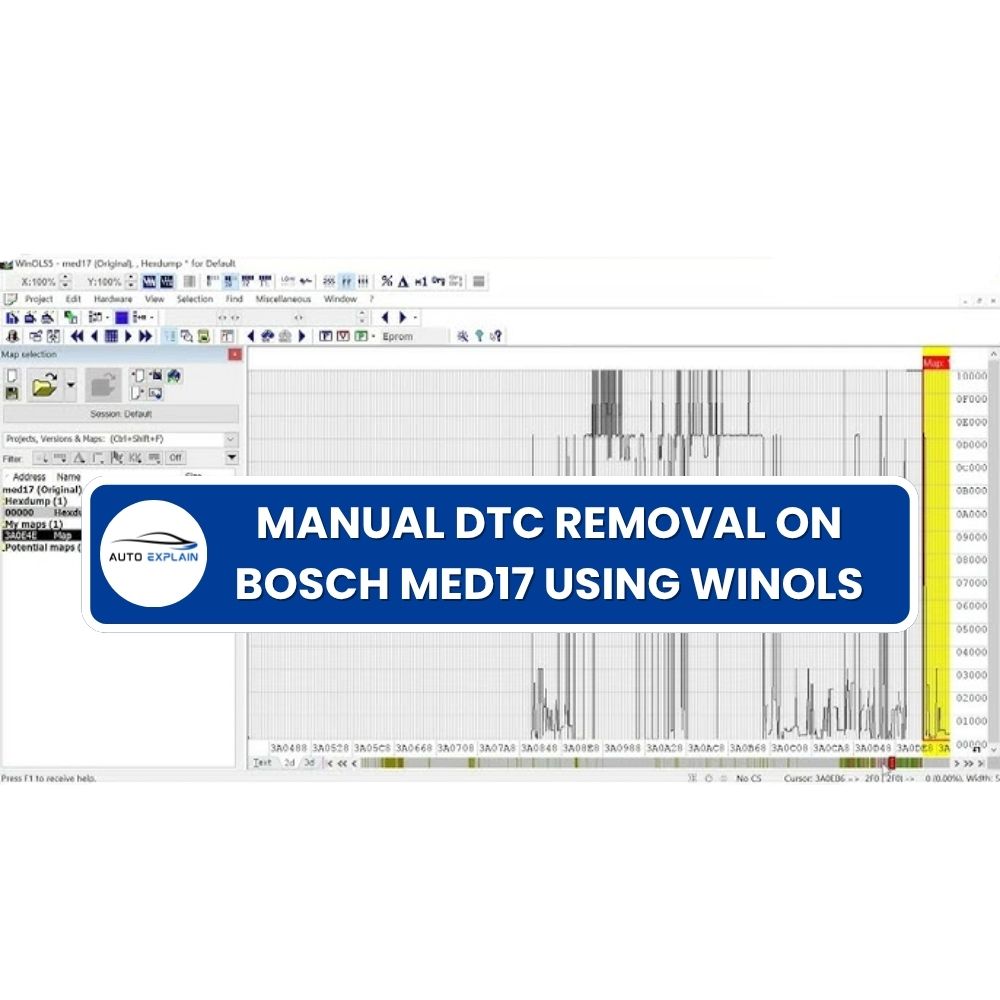
Advanced tuning stages such as Stage 2 and Stage 3 require in-depth knowledge of ECU logic, torque modeling, boost control, and safety limiters. For technicians and serious enthusiasts, mastering tools like WinOLS is a critical step in performing reliable high-stage calibrations.
At AutoExplain, we offer WinOLS book collections designed to help you understand real ECU files and tuning strategies used in professional workshops.
Check out at: WinOLS ECU remapping books
In this guide, AutoExplain will help you understand each tuning stage clearly, so you can make the right decision without risking engine reliability or wasting money on unnecessary upgrades.
Understanding the different stages of car tuning is essential before upgrading your vehicle’s performance. Choosing the right tuning stage depends on your vehicle’s condition, intended use (daily driving or track performance), and long-term reliability expectations. When performed correctly by experienced professionals, car tuning can deliver noticeable improvements in power, torque, throttle response, and overall driving enjoyment—without compromising safety.
At AutoExplain, we provide safe, data-driven ECU remapping services, using professional diagnostic tools, tested calibration files, and vehicle-specific tuning strategies. Every remap is carefully tailored to your car’s condition and performance goals—never generic, never pushed beyond safe limits.
Ready to optimize your vehicle the right way? Contact AutoExplain today for expert consultation and ECU remapping support.
Let AutoExplain help you achieve smarter performance, safer tuning, and better driving—every mile.