
The seventh generation of the Volkswagen Passat B7 was produced between 2010 and 2014, followed by the Volkswagen Passat B8 from 2014 to 2023. Both generations are widely equipped with 1.6 TDI and 2.0 TDI diesel engines, which use different ECU platforms depending on engine configuration and emission standards.
For the Passat B7, the 2.0 TDI engines typically use Bosch ECUs such as EDC17C46, EDC17CP54, EDC17C64, and EDC17CP14, while the 1.6 TDI version is equipped with the Continental PCR2.1 ECU. These engines are generally Euro 5 compliant, except for the BlueTDI variants, which use SCR (AdBlue) systems to meet Euro 6 regulations. On the newer Passat B8, the 2.0 TDI engines are equipped with Bosch EDC17C74, EDC17CP74 (BiTDI), or MD1CP004 ECUs, while the 1.6 TDI continues to use the EDC17C74 platform.
Disabling the AdBlue (SCR) system on VW Passat B7/B8 requires a structured approach to avoid recurring faults and ensure stable ECU operation. Below is a simplified and practical workflow:
Start by scanning the vehicle using a diagnostic tool and record all AdBlue-related DTCs. Common codes include:
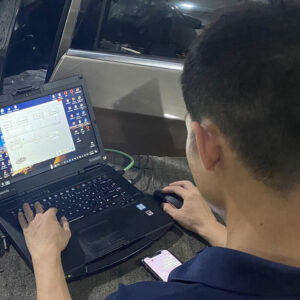
Extract the ECU file via OBD or Bench/Boot mode using tools such as Kess3, Flex, Autotuner, PCM Flash, etc. This file will be used for modification.
Upload the original ECU file along with recorded DTCs to a professional tuning service. The AdBlue system will be properly disabled within the software, including SCR logic and related diagnostics.
Flash the modified file back to the ECU using the same protocol used during reading.
Depending on the ECU type, disconnect relevant components:
After flashing and hardware adjustments, clear all DTCs using a diagnostic tool to ensure a clean system state.
Important Note: AdBlue, DPF, and EGR removal are primarily handled at the ECU software level. In most cases, the AdBlue control module itself does not require reprogramming—only proper disconnection if needed.
Disabling the DPF system on VW Passat B7/B8 requires both software adjustment and basic hardware handling to prevent recurring faults.
Ensure the ECU file has been properly modified to disable DPF-related functions, including regeneration, monitoring, and DTCs.
Depending on the ECU type, disconnect the following components:
Use a diagnostic tool to erase all stored DTCs after completing the hardware and software steps.
In some cases, performing a forced regeneration or resetting DPF-related learned values helps stabilize the system after removal.
VW Passat B7/B8 AdBlue System Overview
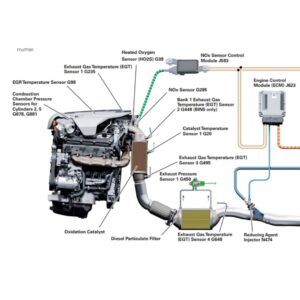
The AdBlue (SCR) system on the Volkswagen Passat B7 and Volkswagen Passat B8 is designed to reduce NOx emissions by injecting urea into the exhaust stream. Understanding its layout is essential before performing any removal or tuning process.
AdBlue Tank & Module Location (Passat B7):
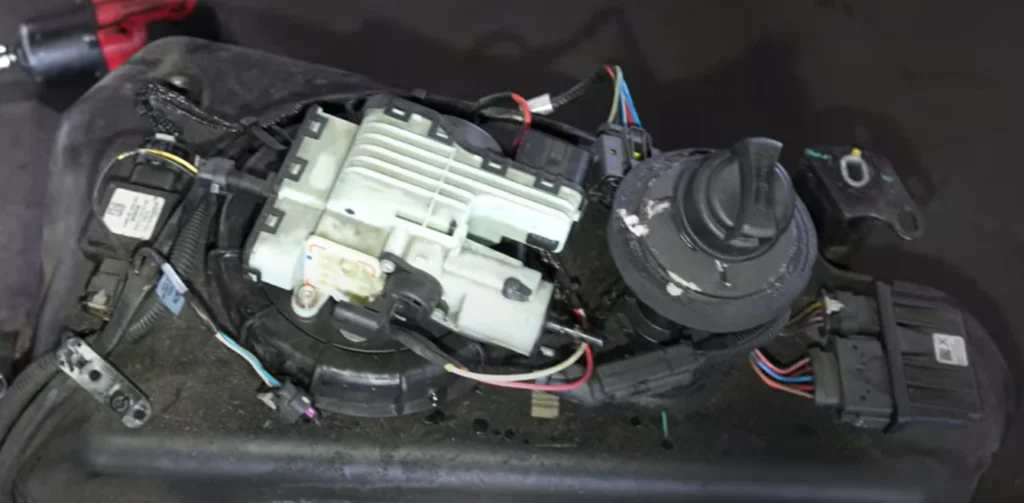
NOx Sensor Configuration:
The system uses two NOx sensors to monitor and control emissions:
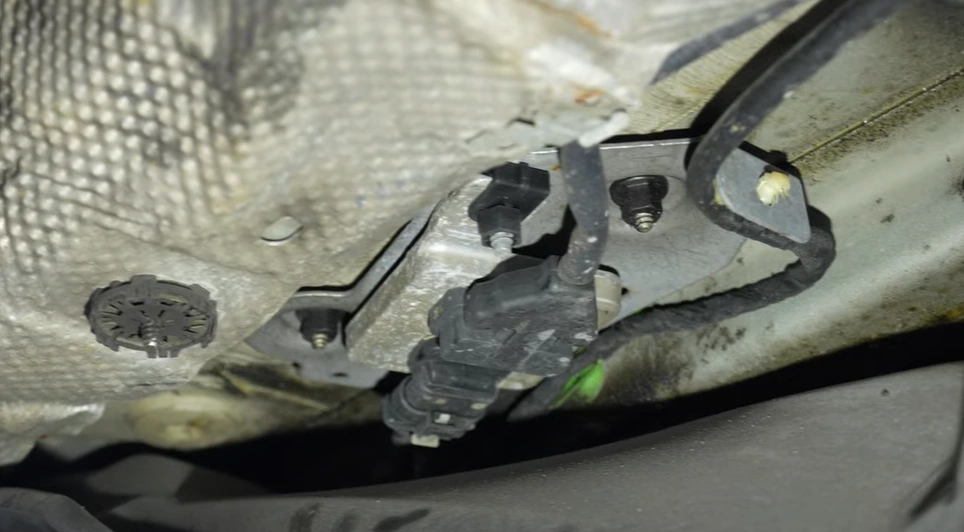
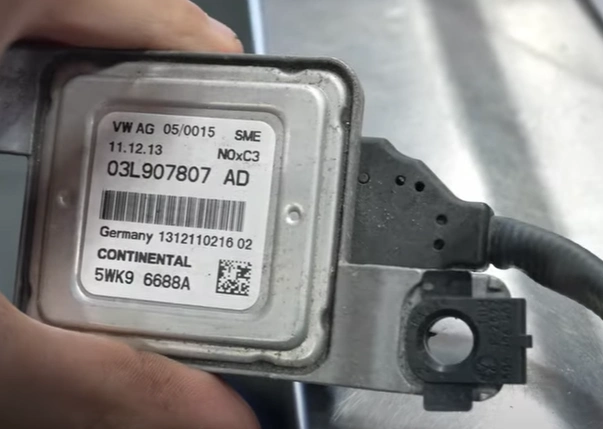
This dual-sensor setup allows the ECU to precisely regulate AdBlue injection and ensure emissions compliance under different driving conditions.
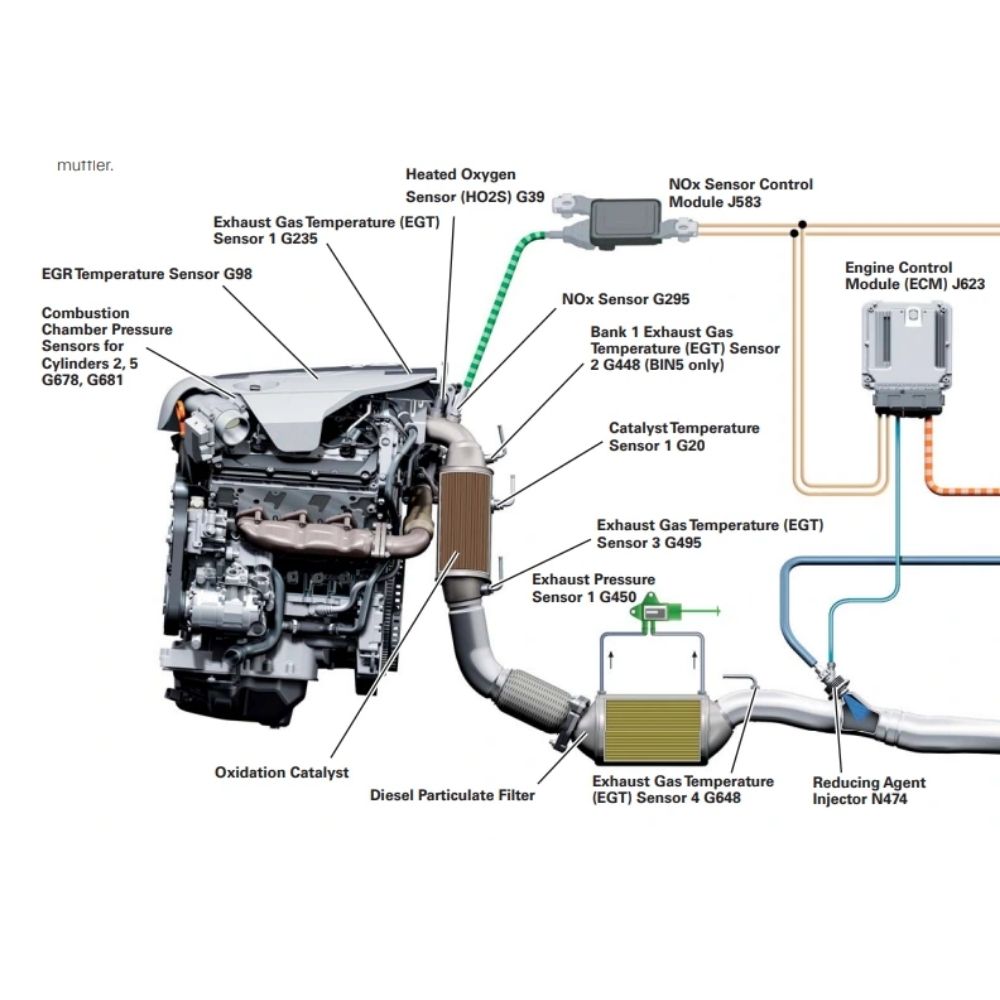
On the Volkswagen Passat B7 and Volkswagen Passat B8, the DPF system relies on pressure and temperature sensors to monitor filter performance and regeneration status.
DPF Pressure Sensor (Differential): On the Passat B7, the DPF pressure sensor is typically mounted directly on or near the DPF housing underneath the vehicle. It uses two hoses connected before and after the filter to measure pressure difference. On the Passat B8, the setup is similar, although the sensor may be positioned closer to the engine bay and is sometimes protected by heat shielding.
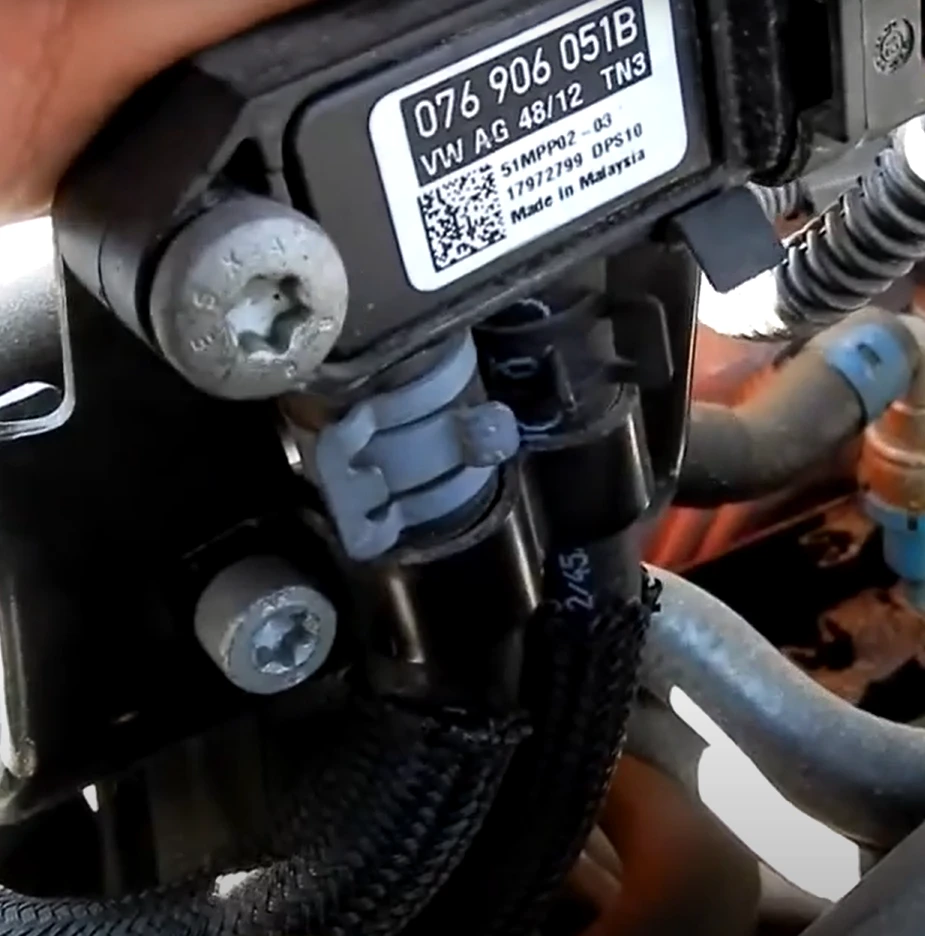
DPF Temperature Sensors:
The system includes temperature sensors to track exhaust conditions:
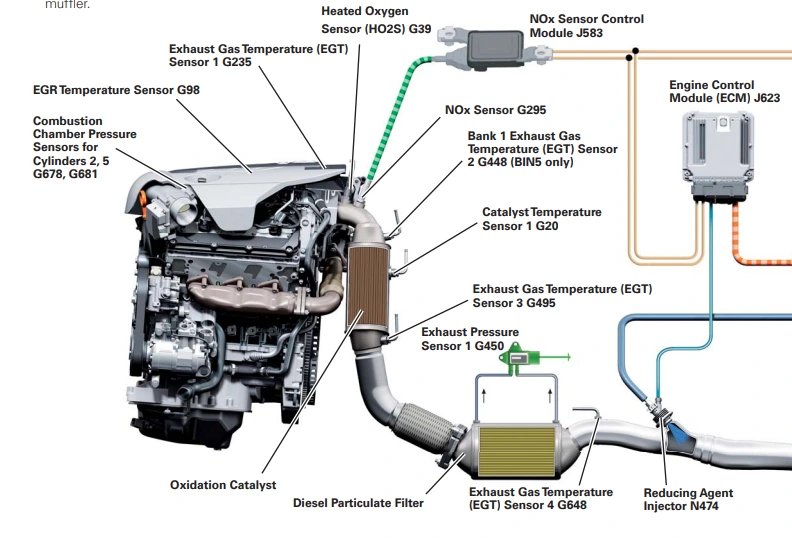
In some variants, an additional sensor may be installed directly inside the DPF to measure internal core temperature more precisely.
Proper identification and handling of these sensors is essential when performing DPF-related modifications to avoid incorrect readings or persistent fault codes.
If you need a tested AdBlue, DPF, EGR, and DTC off solution for your VW Passat B7/B8, simply send your ECU file and receive a professional, ready-to-use solution in the shortest possible time.