

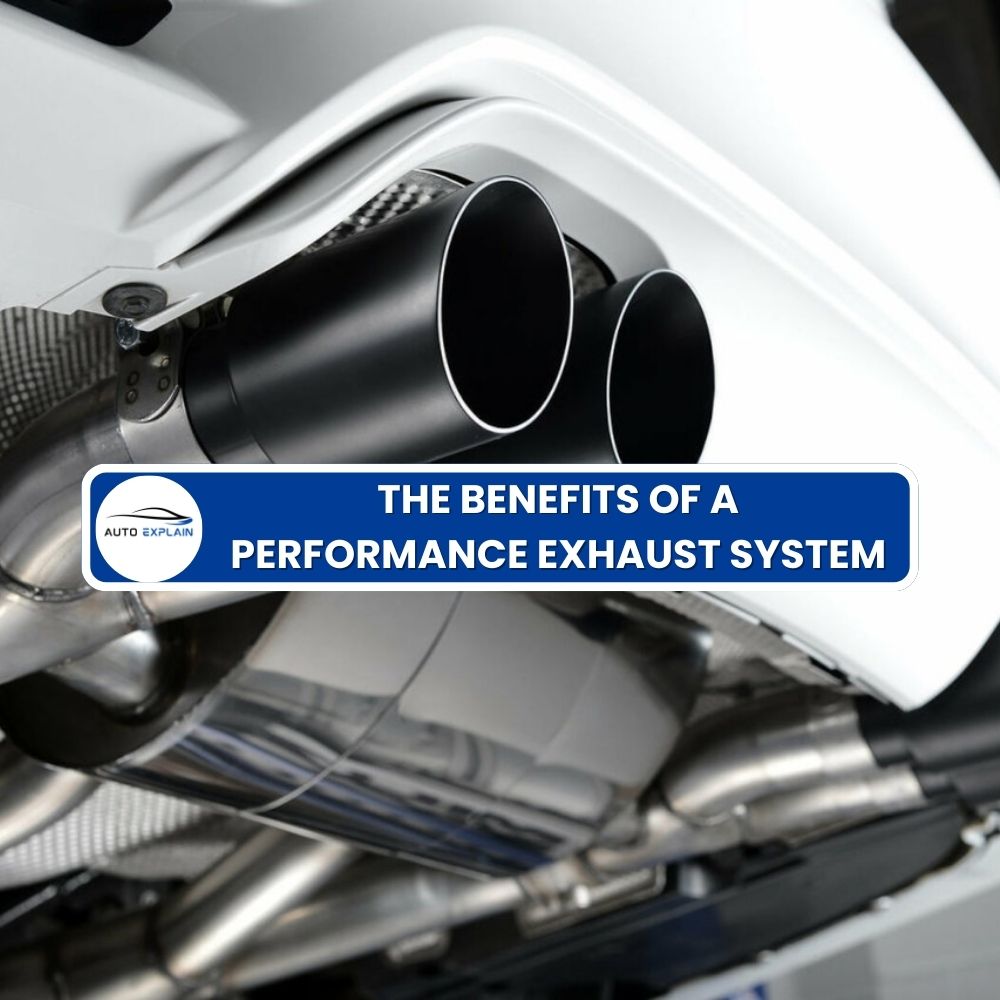
A performance exhaust system is one of the most effective upgrades for drivers looking to improve engine performance, sound, and overall driving experience. By reducing exhaust restrictions and improving airflow, a performance exhaust allows your engine to breathe more efficiently—resulting in increased horsepower, sharper throttle response, and a deeper, more aggressive exhaust note.
In this article, AutoExplain breaks down what a performance exhaust system is, how it works, and the key benefits it offers. We’ll also explain the different types of performance exhaust systems, how they pair with ECU remapping, and whether upgrading your exhaust is the right choice for your vehicle and tuning goals.
A performance exhaust system is an upgraded exhaust setup designed to improve engine efficiency, power output, and sound compared to a factory exhaust system. Unlike standard exhausts—which are often built with restrictions to reduce noise, emissions, and manufacturing costs—performance exhaust systems are engineered to optimize exhaust gas flow and reduce back pressure.
By allowing exhaust gases to exit the engine more quickly and smoothly, a performance exhaust system helps the engine breathe better. This results in improved horsepower, increased torque, faster throttle response, and, on turbocharged vehicles, quicker turbo spool. Performance exhaust systems are typically made from high-quality materials such as stainless steel or titanium, offering better durability, reduced weight, and enhanced heat resistance.
Depending on the design and configuration, a performance exhaust system can be installed as an axle-back, cat-back, or full turbo-back setup, making it a flexible upgrade suitable for daily-driven cars as well as high-performance and track-focused builds.

Installing a performance exhaust system dramatically improves the sound and overall driving feel of your vehicle. Compared to factory exhaust systems—which are designed to be quiet and restrictive—a performance exhaust delivers a deeper, more powerful, and sportier exhaust note.
The sound characteristics depend on the system design and materials, but wider pipe diameters and smoother flow paths are what create that distinctive performance tone and a more engaging driving experience.
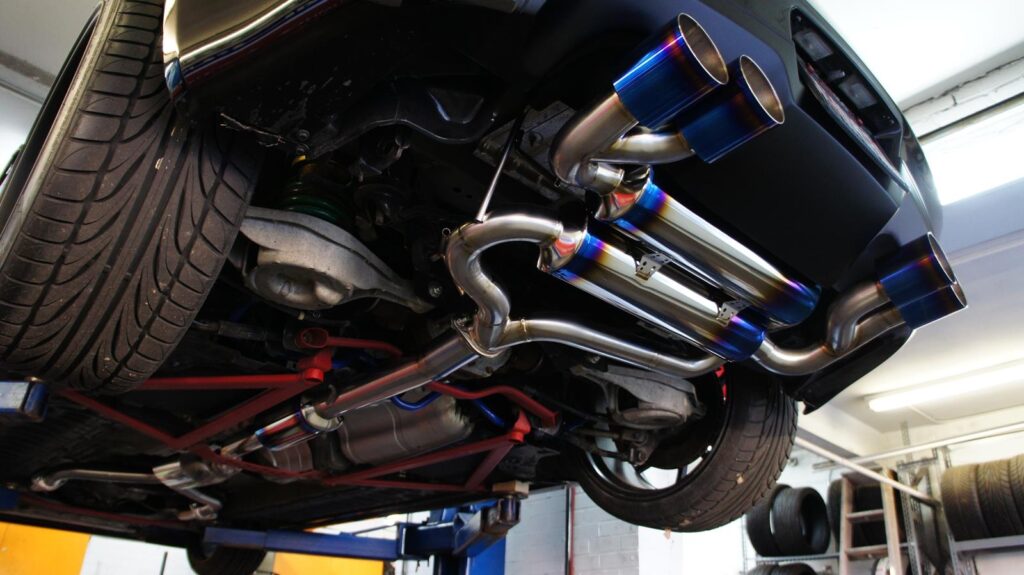
Beyond performance gains, a performance exhaust system enhances your car’s visual appeal. Stock exhausts are built purely for function, while aftermarket systems often feature larger tips, polished finishes, and sporty designs.
Once installed, your vehicle not only sounds more performance-oriented but also looks closer to a race-inspired build.
Most factory exhaust systems are made from mild steel, which is cost-effective but prone to corrosion over time. Performance exhaust systems are typically constructed from aluminized steel, stainless steel, or titanium, offering significantly improved durability, heat resistance, and longevity.
This means fewer exhaust-related issues and more consistent performance over the life of the vehicle.
A key purpose of any exhaust system is to expel exhaust gases efficiently. A performance exhaust system does this far better than a stock setup by reducing back pressure and improving gas flow.
Better exhaust flow allows the engine to breathe more efficiently, draw in more fresh air per cycle, and ultimately produce more horsepower and torque—especially noticeable on turbocharged vehicles.
By maintaining optimal exhaust flow and reducing engine strain, a performance exhaust system can improve fuel efficiency during steady driving. Many drivers report 1–2% gains in fuel economy, particularly on highway cruising.
When combined with fuel economy tuning or ECU remapping, these efficiency gains can be further enhanced.

Most factory exhaust systems use crush bends, which reduce pipe diameter at curved sections and restrict exhaust gas flow. In contrast, performance exhaust systems use mandrel bends, maintaining a consistent internal diameter throughout the pipe.
This results in smoother exhaust flow, better power delivery, improved torque, and enhanced efficiency—without compromising drivability.
A performance exhaust system is more than just a sound upgrade—it’s a functional performance modification that improves exhaust flow, enhances engine efficiency, and supports meaningful gains in power, torque, and driving enjoyment. When combined with the right tuning strategy, a performance exhaust can play a key role in unlocking your vehicle’s full potential.
At AutoExplain, we help you choose the right exhaust setup based on your vehicle, driving goals, and future tuning plans. From daily-driven street cars to performance-focused builds, our solutions are designed to deliver safe, reliable, and measurable results—especially when paired with professional ECU remapping.
Ready to upgrade your exhaust the right way? Contact AutoExplain for expert advice and performance upgrade support.
See more our ECU Tuning Service