
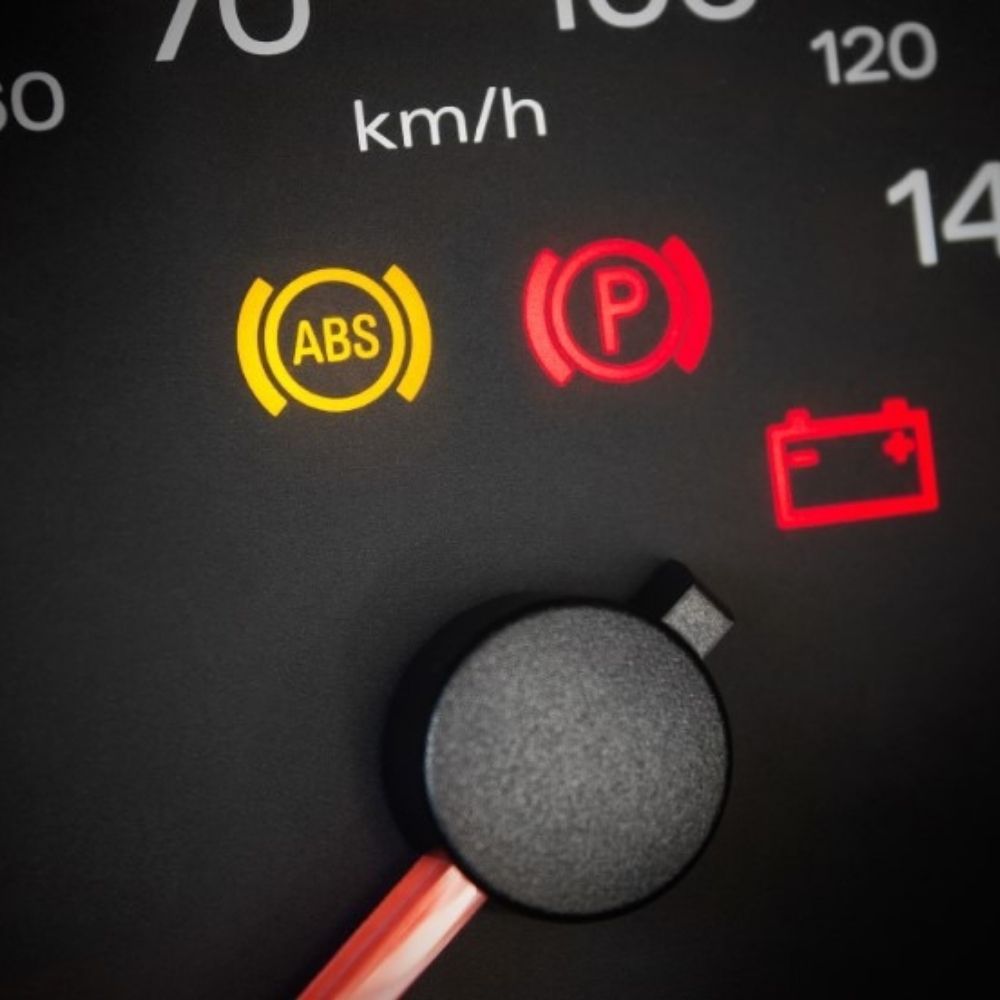
In the intricate network of your vehicle’s safety systems, the Anti-lock Braking System (ABS) plays a crucial role in maintaining steering control and stability during sudden or hard braking. When the ABS warning light comes on, it’s more than just a dashboard alert — it’s a signal that something within the system isn’t functioning correctly. Understanding why your ABS light comes on and what causes the ABS light to illuminate is essential for diagnosing issues early, preventing brake performance loss, and maintaining overall road safety.
At AutoExplain, we specialize in ABS diagnostics, fault analysis, and advanced coding/programming for European vehicles such as Mercedes, BMW, Audi/VAG, and more. Whether your ABS light is triggered by a wheel speed sensor fault, module failure, low brake fluid, or a system communication error, our remote technicians can quickly identify the cause and provide accurate repair guidance — all without requiring you to visit a workshop. You can see more our ABS Auto Brake Service.
Before exploring the causes behind the ABS warning light and how to maintain the system, it’s important to understand what the ABS does and why it matters. The Anti-lock Braking System (ABS) is designed to prevent wheel lock-up during sudden or heavy braking, especially on slippery or uneven surfaces. By rapidly modulating brake pressure, ABS helps maintain traction, steering control, and vehicle stability, significantly reducing the risk of skidding or losing control.
Because ABS plays a central role in your vehicle’s safety, keeping the system in optimal condition is essential. Proper maintenance not only prevents unexpected ABS faults but also ensures consistent braking performance.
When the ABS warning light appears on your dashboard, it’s an indication that the Anti-lock Braking System has detected an issue and may no longer function properly. Understanding what causes the ABS light to come on is crucial for diagnosing brake-related problems early and ensuring your vehicle remains safe to operate. In most cases, the warning is triggered by one of the following common faults:
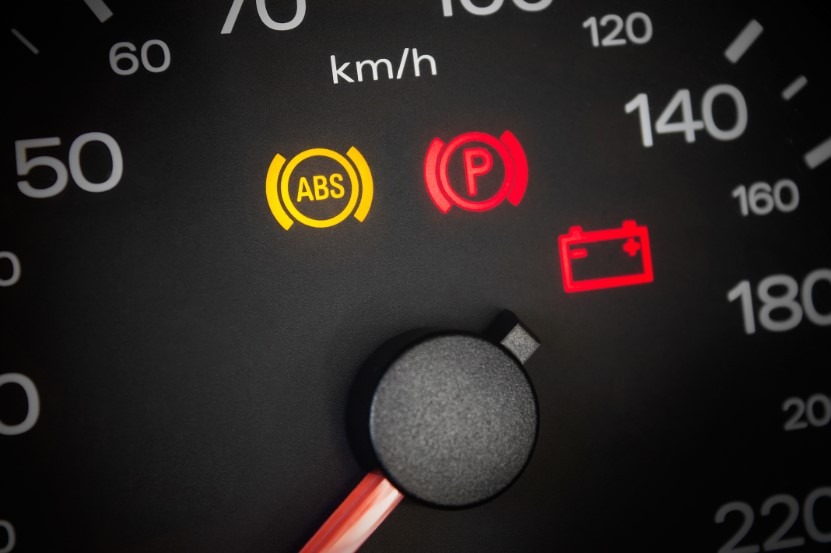
A failing ABS control module is one of the most frequent reasons the ABS light turns on.
Because the ABS shares components and communication pathways with the traction control system (TCS), a fault in one can affect the other. If the module detects irregular wheel behavior, internal electrical failures, or communication errors, it may disable ABS operation and illuminate the warning light.
In some cases, a traction control warning can even trigger the ABS light. Proper diagnostics is required to identify whether the fault lies in the ABS module, the TCS subsystem, or the CAN communication network.
Your braking system relies on hydraulic pressure, and that pressure depends on having sufficient brake fluid. If the brake fluid level becomes too low due to leakage, evaporation, or worn brake pads, the ABS system cannot maintain proper pressure — leading to compromised brake performance.
Modern vehicles are equipped with sensors that monitor fluid levels. If the fluid drops below the safe threshold, the system triggers the ABS light to warn you of possible braking instability.
Each wheel is equipped with a wheel speed sensor that reports rotational speed to the ABS module.
If the sensor is:
… it will send incorrect or no data to the ABS module.
Without reliable wheel-speed input, the ABS system cannot operate correctly and is automatically disabled for safety — which turns on the dashboard ABS light.
This is one of the most common causes of ABS warnings, especially in European vehicles operating in dusty, wet, or high-mileage conditions.
On many modern cars, including performance-oriented European models, the driver can manually disable:
If the system is turned off — intentionally or by accidentally pressing a button — the ABS light will illuminate to notify you that the safety feature is inactive.
Always double-check your traction/ABS switch or your vehicle settings menu to ensure the system wasn’t disabled unintentionally.
When your ABS light comes on, it could be due to any of the common causes mentioned above—such as a faulty ABS module, low brake fluid, or a malfunctioning wheel speed sensor. In most cases, these issues can be resolved quickly and efficiently. If you need professional assistance, you can contact AutoExplain for expert guidance and remote support.
At AutoExplain provides specialized ABS auto brake service focused on module coding, programming, and replacement support. Our expert technicians handle:
All work is performed remotely, saving you time and cost while ensuring your ABS system functions safely and efficiently. Whether it’s fault-code diagnostics or advanced feature configuration, AutoExplain delivers precise, professional, and reliable ABS solutions for European vehicles such as Mercedes, BMW, and Audi/VAG.
The ABS warning light is an important alert that should never be ignored. Whether it’s caused by a faulty ABS module, low brake fluid, damaged wheel speed sensors, or system settings, understanding the root cause helps you maintain braking performance, vehicle stability, and overall safety.
With AutoExplain, you can get professional ABS auto brake service remotely, including module coding, service history reset, activation or deactivation of hidden features, and performance optimization. Our certified technicians provide precise, cost-effective, and reliable solutions tailored for European vehicles like Mercedes, BMW, Audi/VAG.
Don’t wait until a small issue becomes a safety risk—contact AutoExplain via WhatsApp +1 (936) 289-6695 for fast, expert ABS support.